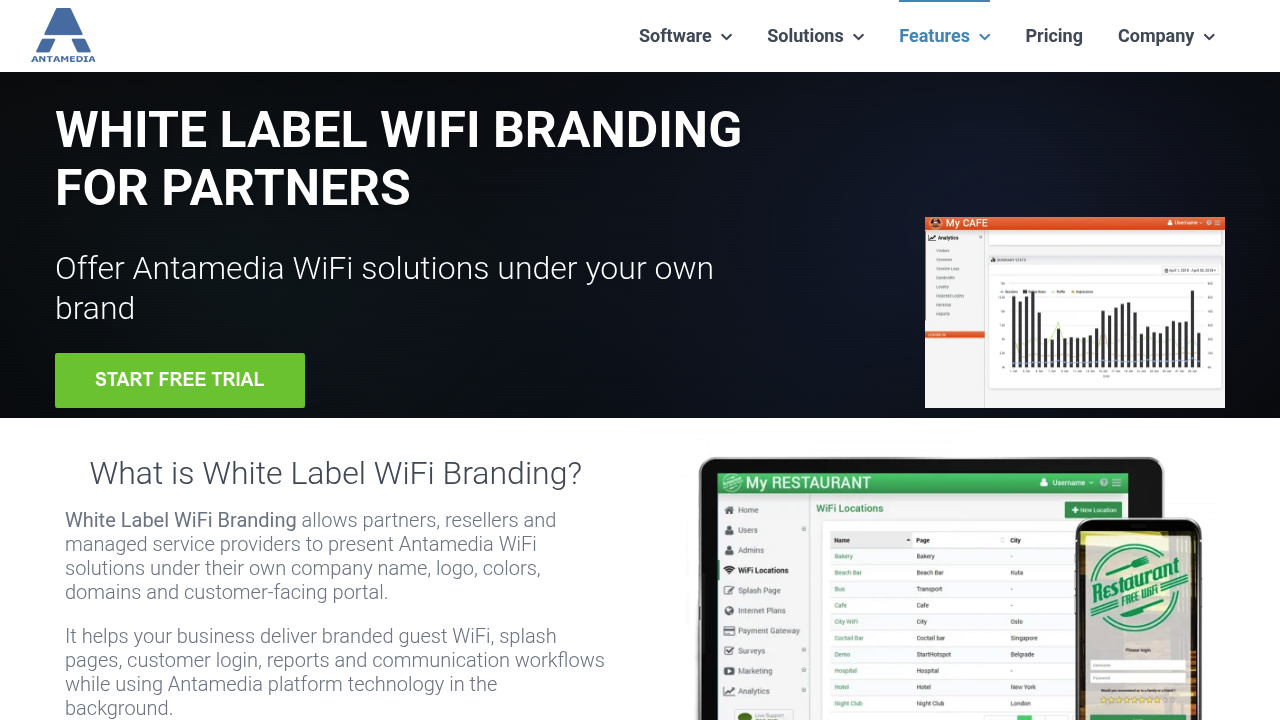

Offer Antamedia WiFi solutions under your own brand with custom domains, branded portals, splash pages, logos, colors and reseller workflows.
White Label Wi-Fi Marketing Tools
Discover white-label Wi-Fi marketing tools. Rebrand captive portals, capture customer data, and automate follow-ups with scalable SaaS solutions.
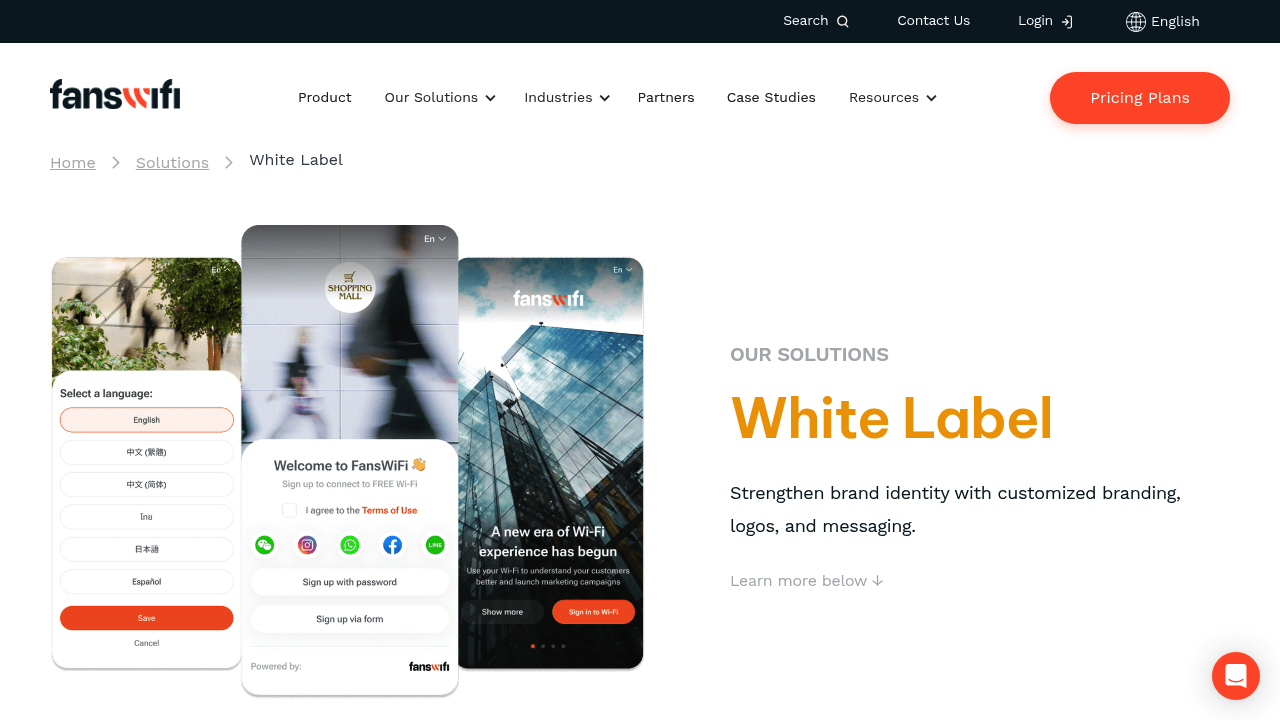
FansWiFi lets businesses brand their own guest WiFi captive portal with their logo, colours and messaging, and it is resold by telcos and WiFi hardware partners.
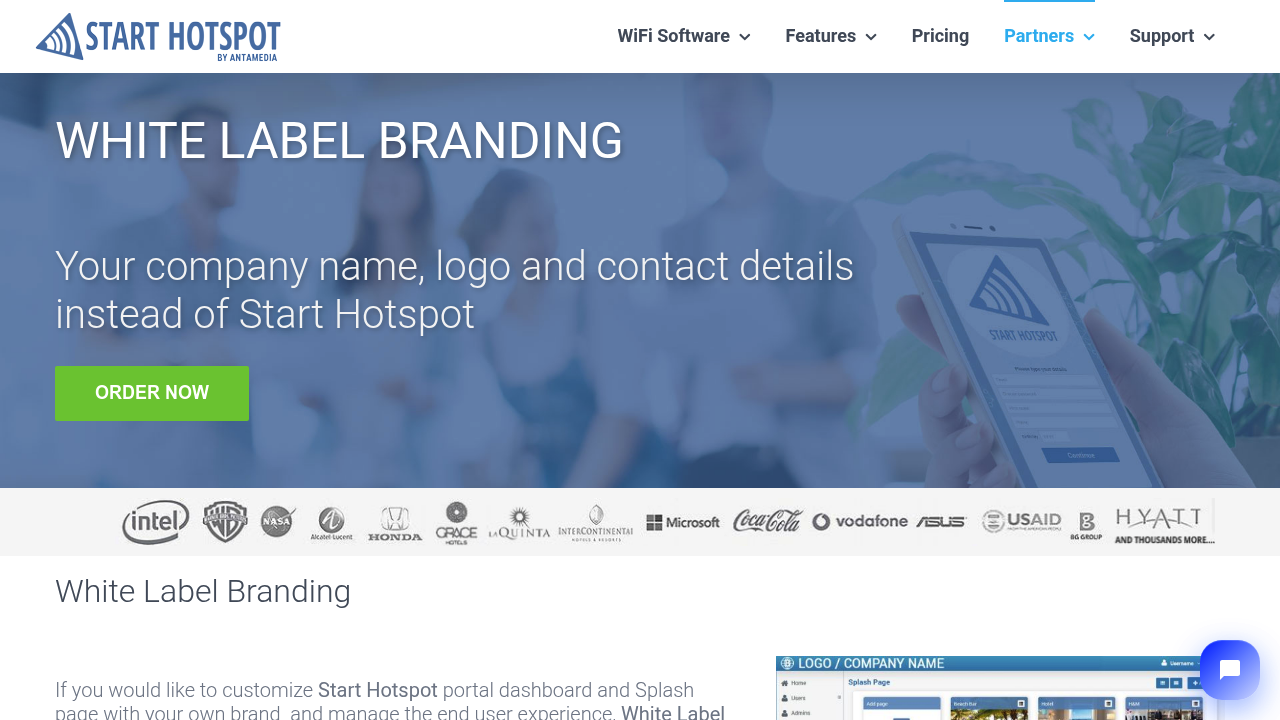
Start Hotspot (Antamedia WiFi Hotspot) offers a White Label add-on for its cloud captive portal: your logo, colours and contact details, your own splash-page and portal domains, and client admin logins under your brand.
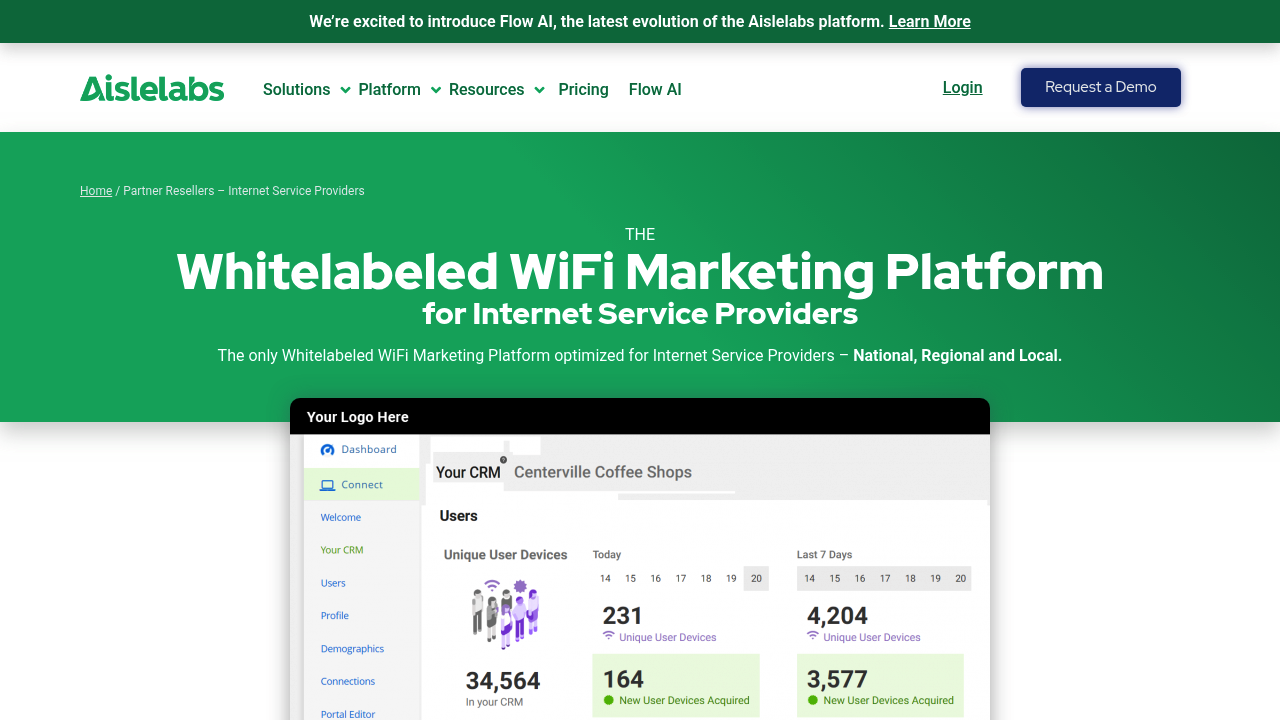
Aislelabs offers a white-label WiFi marketing and analytics platform for ISPs, telcos, MSPs and VARs, with your logo on logins and dashboards, a branded captive portal per venue and multi-tenant management.
Wi5Stars Enterprise is a white-label, multi-tenant hotspot and guest WiFi billing platform: resellers run it on their own domain and brand, with manager-level logos, products, pricing, payment gateways and invoicing reports for each client.
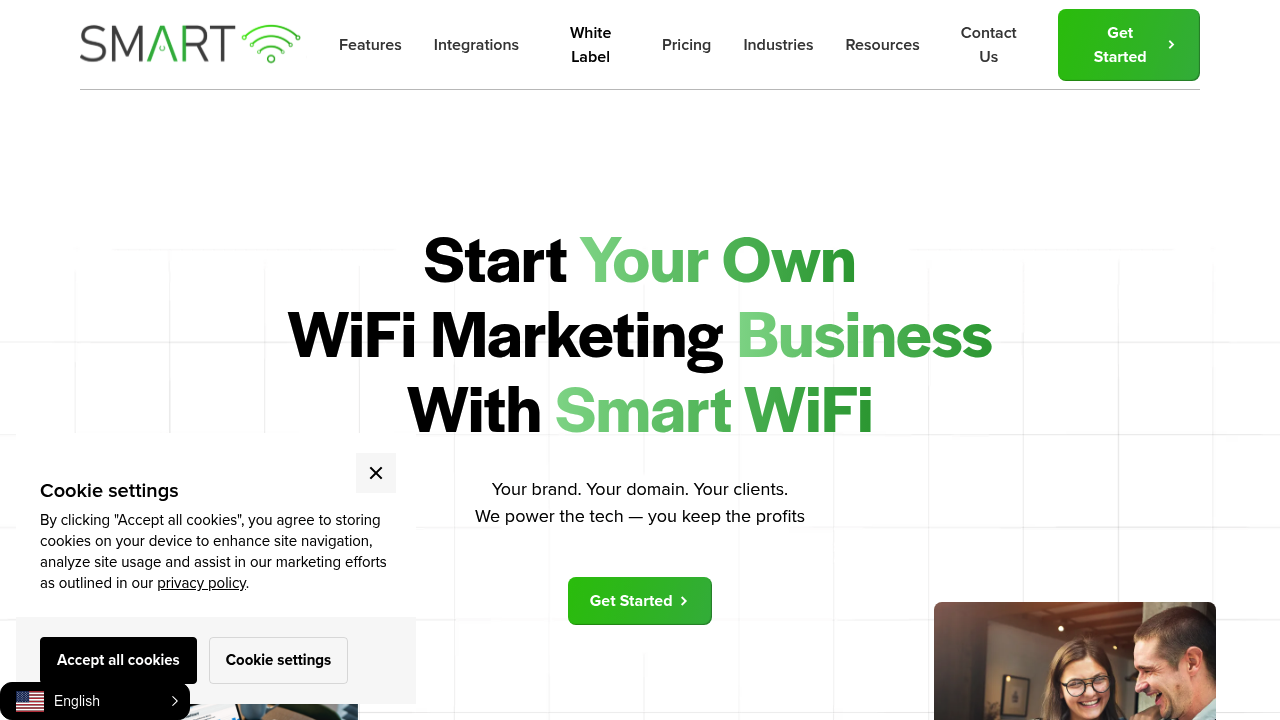
Smart WiFi's White Label portal lets agencies sell guest WiFi marketing under their own brand and domain, with branded login pages for each client, automated email and SMS campaigns, and prices set by the partner.
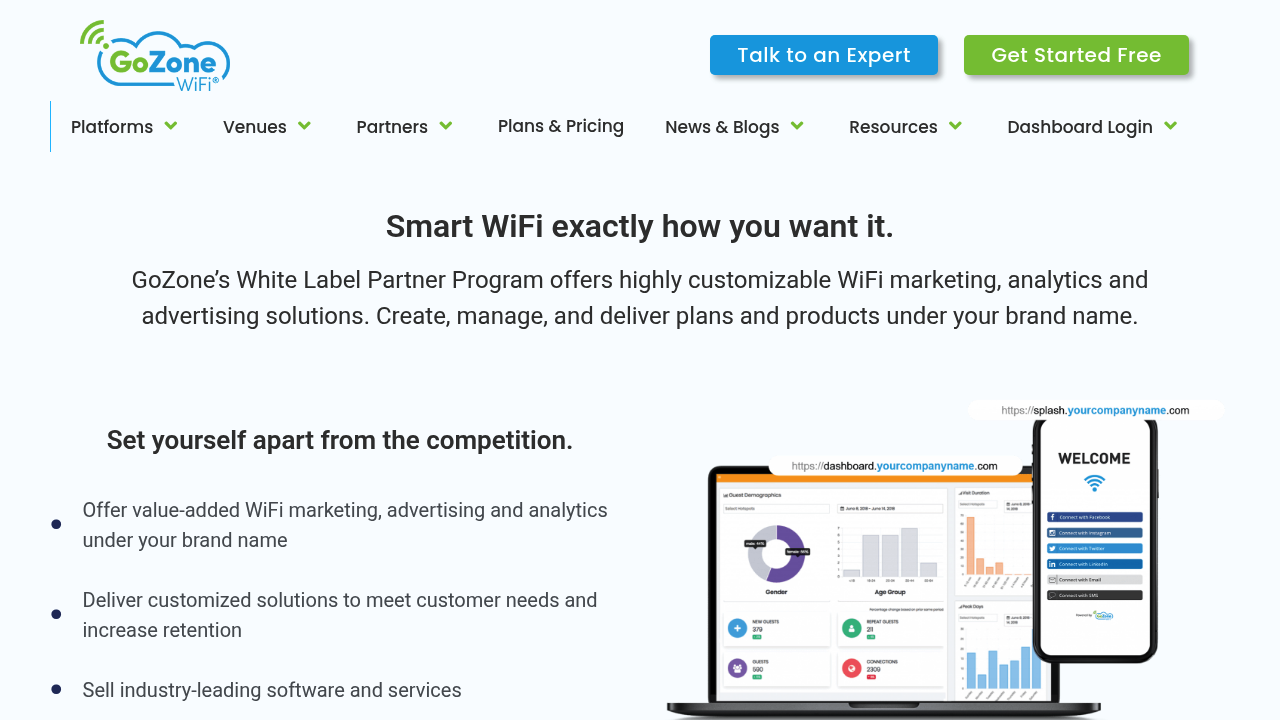
GoZone's White Label Partner Program lets service providers sell WiFi marketing, analytics and advertising under their own brand, with their own dashboard domain, client accounts, plans, billing and invoicing.
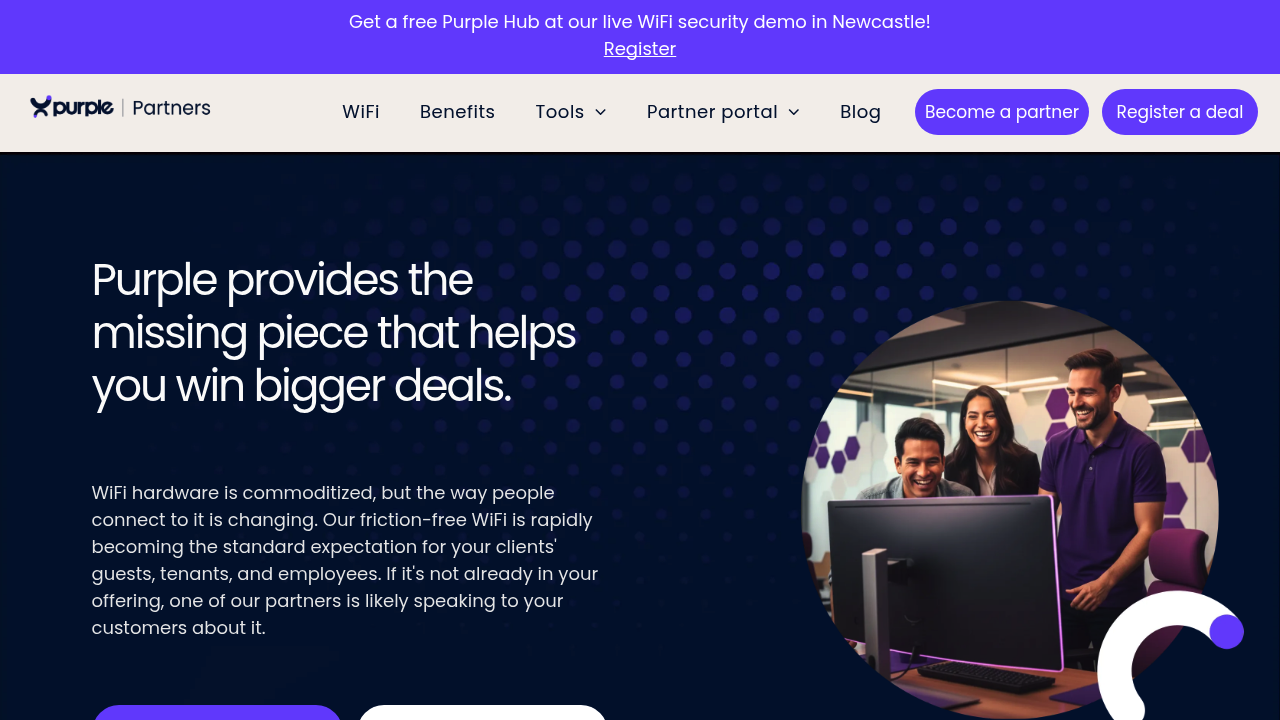
Purple offers partners a guest WiFi and identity-based access platform they can sell under their own branding, with a partner portal to create and manage customers, per-customer logos and splash pages, webhooks and Paid WiFi.
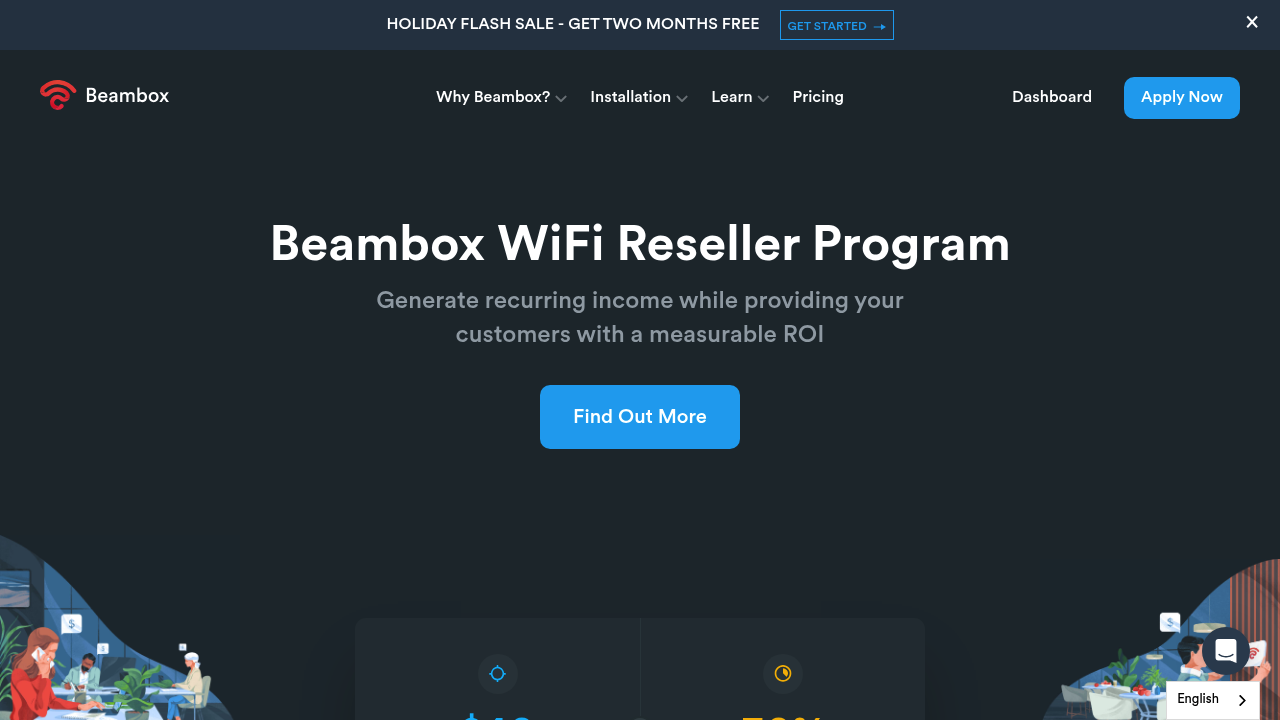
Beambox is a guest WiFi marketing platform with venue-branded login pages, DKIM sender emails and a Partner Dashboard for managing client accounts.
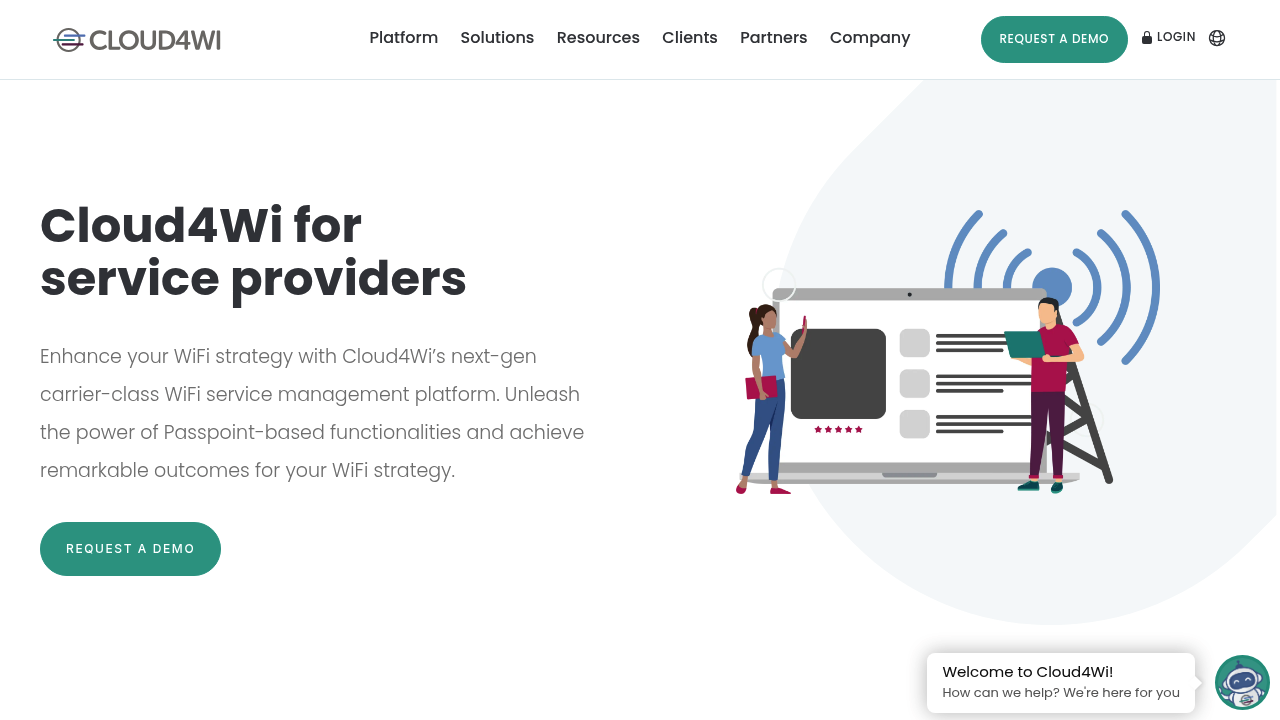
Cloud4Wi is a white-label WiFi service management platform for guest WiFi, Passpoint and OpenRoaming, with branded captive portals and dashboard, a partner dashboard for multiple client accounts, and REST APIs, webhooks and a WiFi SDK.
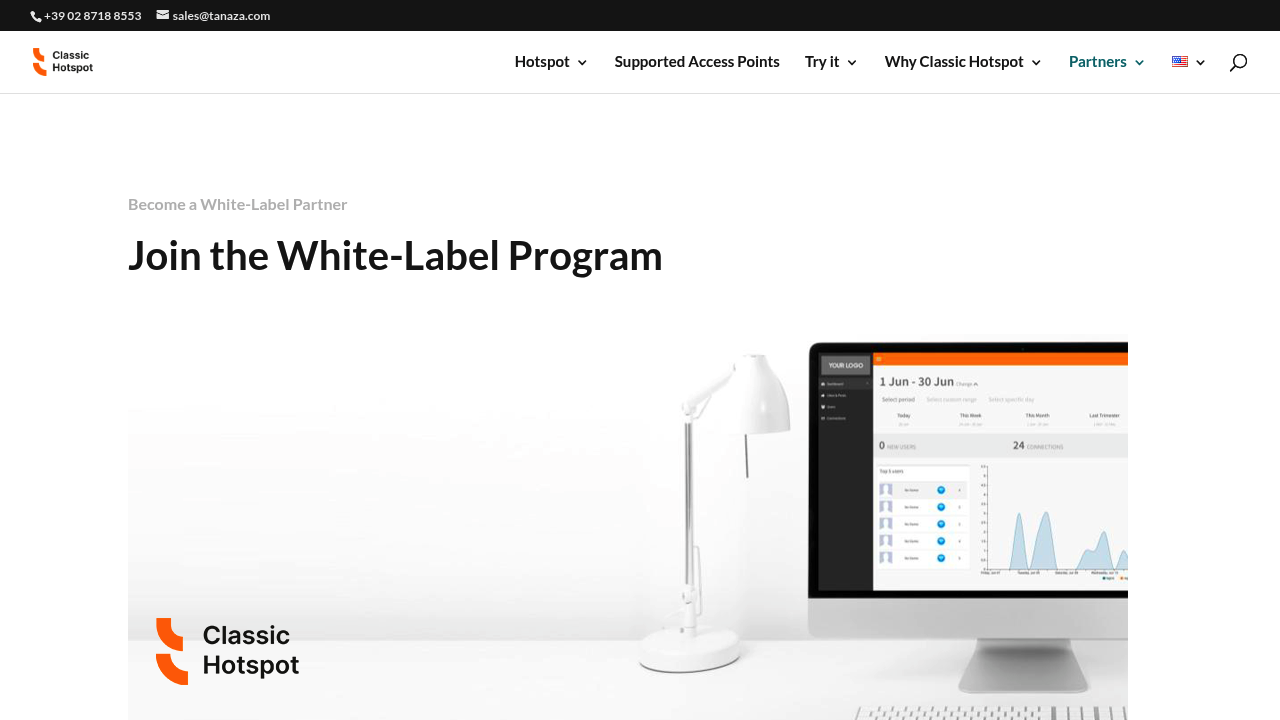
Classic Hotspot is Tanaza's cloud hotspot for guest WiFi, social login, paid WiFi vouchers and analytics. White-label partners rebrand splash pages and the analytics dashboard with their own name, logo and URLs.
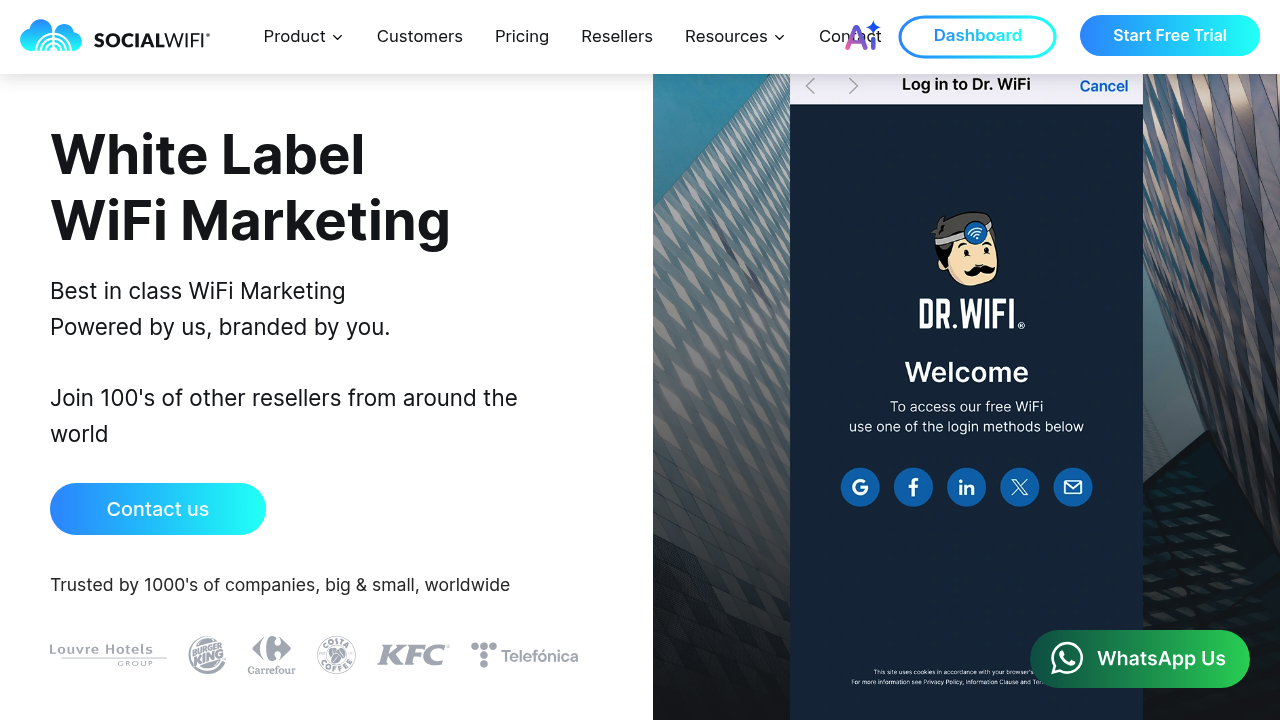
Social WiFi offers a white-label guest WiFi marketing platform, with the reseller's logo and custom domain on the dashboard and captive portals and unlimited clients managed from one login.
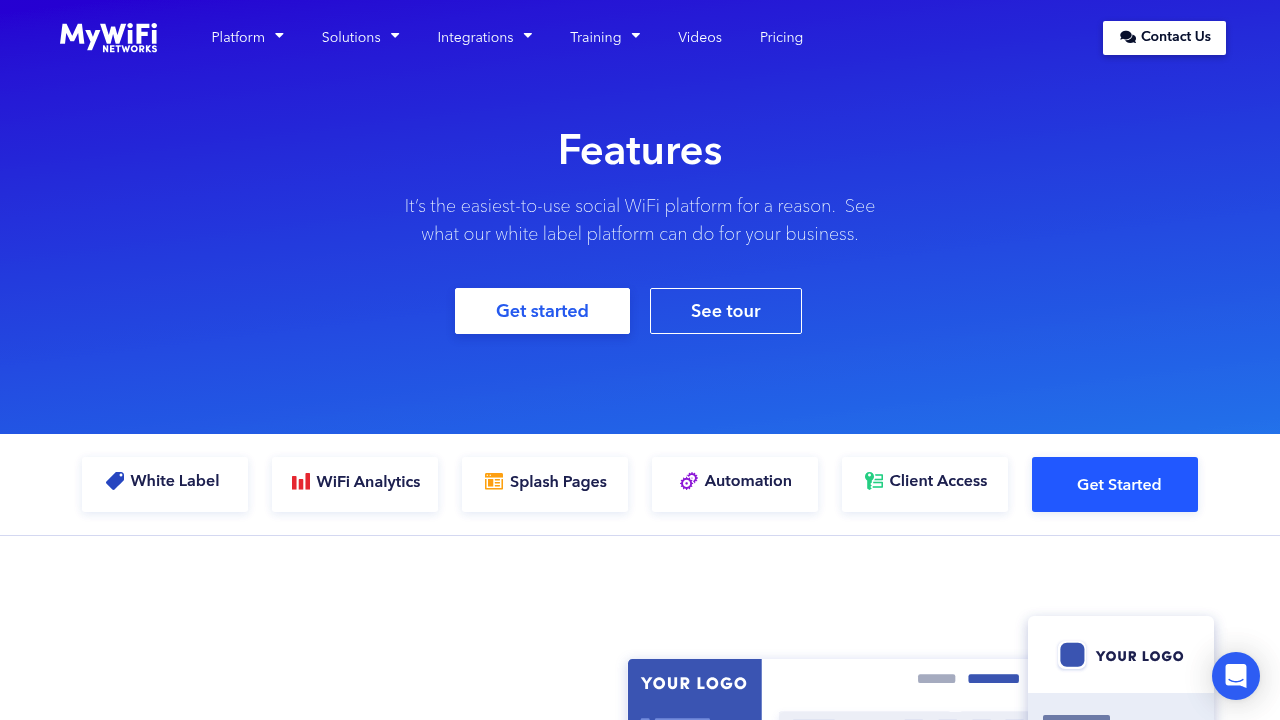
MyWiFi Networks is a white-label guest WiFi marketing platform for MSPs, agencies and VARs, with branded captive portals, marketing automation and analytics delivered to clients under the reseller's own brand.
Click here for Wi-Fi Marketing Tools FAQs
White Label WiFi Marketing Platform FAQs
Welcome to our comprehensive guide on white label WiFi marketing platforms. In this FAQs guide, we address the most frequently asked questions about white-label WiFi marketing tools, helping you understand, evaluate, and leverage these platforms effectively. Whether you are an MSP, agency, ISP, or venue operator, this FAQ resource will clarify how white-label WiFi marketing solutions can strengthen customer engagement, improve compliance, and create new recurring revenue streams.
White label WiFi marketing tools are cloud platforms that sit on top of existing WiFi networks and let you sell branded guest WiFi, data capture, analytics, and marketing automation under your own logo and domain. They handle captive portals, consent, data storage, and campaign workflows while you control pricing, packaging, and the customer relationship.
Typical features include a captive portal and splash‑page builder, multiple login methods (email, social, SMS, vouchers), and branded domains so guests see your or your client’s brand at login. On the backend, you usually get multi‑tenant management for many venues, guest profiles, visit and presence analytics, marketing automation (email/SMS/webhooks), and integrations or APIs to push data into CRMs and ad platforms.
For partners, the main benefit is owning a recurring‑revenue SaaS‑style product without building the technology, including your branding, your pricing, and your contracts while the vendor handles infrastructure and updates. For venues and ISPs’ B2B customers, it turns guest WiFi from a pure cost into a marketing and analytics asset that collects consented data, improves experiences, and supports automated campaigns to increase visits and sales.
Pricing varies widely by vendor and model, but most platforms charge partners a recurring SaaS fee—per access point, per location, per active user, or per tier—leaving you room to mark up and bundle into your own packages. Many white label programs use a wholesale or revenue‑share approach where the technology provider captures a portion of the final customer value (often 30–60%) and the partner keeps the rest as margin.
Vendors like MyWiFi provide revenue calculators to estimate income from bundling WiFi marketing with existing services, highlighting that you can “set your own prices” and stack monthly subscription revenue across many locations. Partner programs such as Beambox emphasize regular commissions or “subscription cuts” on every active account, so as you add more venues, recurring revenue can grow into a meaningful MRR stream for an agency or MSP.
Start with your business model: if you manage many small venues, prioritize multi‑tenant dashboards, automation, and easy self‑install; for ISPs or large enterprises, look for carrier‑class scalability and strong analytics. Then compare branding depth (logos, domains, legal text), hardware compatibility, consent/compliance tooling, and available integrations or APIs so the platform fits your existing stack and target industries.
A compliant WiFi captive portal collects marketing consent separately from basic access, logs what users agreed to, and automates data retention and deletion, reducing the risk of GDPR and CCPA fines that can reach millions. Automating consent capture and proof—rather than handling one‑off forms or manual exports—cuts legal and operational overhead while allowing venues to build a high‑quality, legally usable marketing database.
Most platforms provide dashboards with guest profiles, visit counts, repeat‑visit rates, and time‑on‑site, plus exports or webhooks to send data into BI tools. More advanced systems add presence analytics (footfall, passers‑by, dwell time), A/B testing of splash pages, and attribution views that link campaigns to return visits, giving venues a clear picture of WiFi’s impact.
White label WiFi is used wherever people dwell with devices: cafés, bars, and restaurants collect emails for loyalty programs; hotels and resorts drive upgrades and reviews; malls and retail chains analyze footfall and run targeted offers. It also fits airports and transport hubs (session control and monetization), campuses and student housing (identity‑based access), healthcare and public sector sites (guest access with strict consent), and events or stadiums.
Most modern platforms work as hardware‑agnostic overlays or offer plug‑and‑play integrations with major WiFi vendors, so you typically just point captive portal settings to the cloud service. Many provide self‑install guides and APIs, letting you add the marketing layer without ripping and replacing access points, which is critical for MSPs and ISPs managing mixed fleets.
Yes. Leading platforms expose APIs, webhooks, or prebuilt integrations so that each WiFi login can create or update contacts in CRMs, email service providers, and customer data platforms. Some even sync WiFi audiences into ad platforms for retargeting campaigns, letting you run paid media against people who actually visited a venue.
Instead of generic, clunky logins, guests see a branded, mobile‑optimized portal in their language, with simple access methods like one‑click, email, or social login. Because consent and authentication flows are streamlined, users get faster access while still being informed, which builds trust and reduces complaints or support tickets.
Guest WiFi and tracking generate personal data such as emails, device identifiers, and connection logs, which fall under privacy regulations like GDPR. A good platform helps you define legal bases, capture explicit consent, encrypt data, manage retention, and provide an audit trail so that marketing use is compliant and defensible.
Some network knowledge helps, but most reseller programs emphasize plug‑and‑play cloud integrations, self‑install guides, and partner support, so non‑engineers can still launch and manage networks. You typically configure the portal URL and RADIUS or hotspot settings on the router, then manage branding, campaigns, and analytics from a web dashboard.
Partner programs usually give you a white‑label dashboard, preferential wholesale pricing or revenue shares, onboarding and training, and sales/marketing collateral so you can resell under your own brand. Some, like Beambox, also include partner dashboards for managing accounts, commissions, and payouts, plus GTM assistance to help you close deals faster.
ISPs can bundle white‑label WiFi marketing with connectivity to turn a low‑margin service into a stickier, higher‑value package that improves B2B customer retention. Platforms optimized for ISPs support multi‑tenant management, robust analytics, and full white‑labeling, allowing carriers to present a vertically integrated solution under their own brand.