An API-first promotion engine for coupons, referrals, and loyalty, with official SDKs, webhooks, email sending domains, and brand details used in message footers.
White Label Loyalty & Reward Programs
White-label loyalty and reward software you can rebrand. Offer points, rewards, memberships, and customer retention tools.
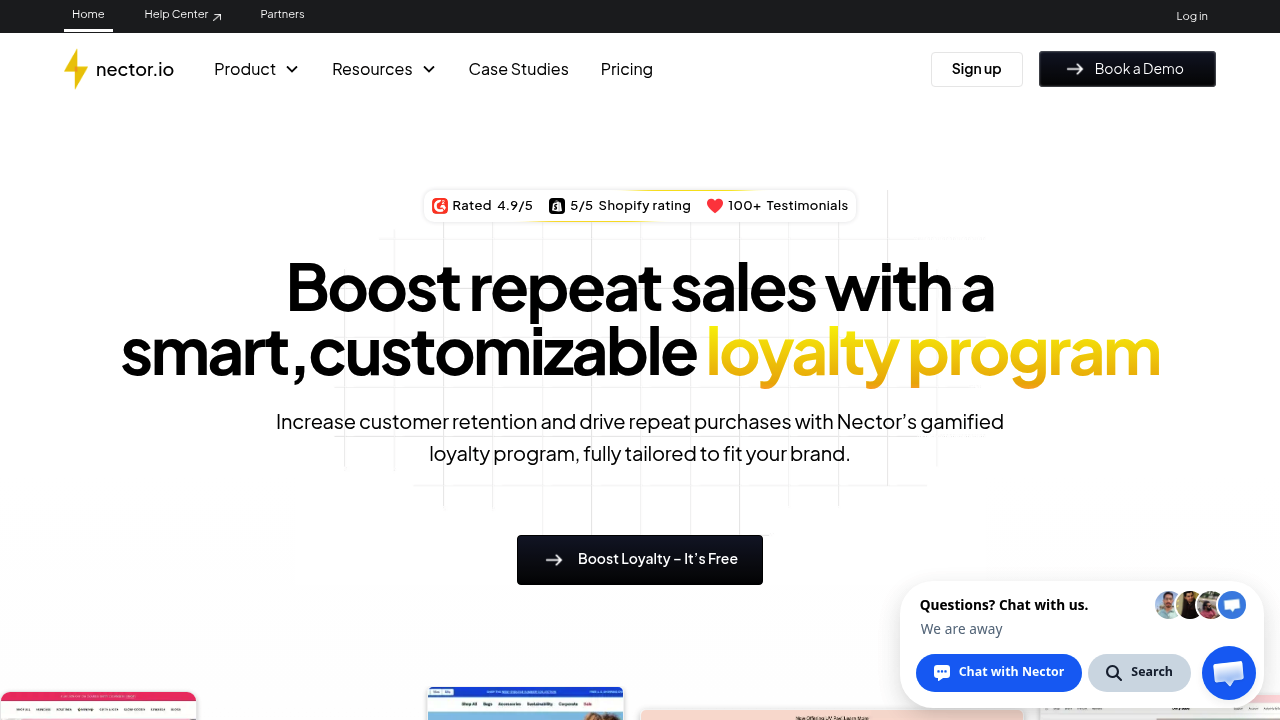
Shopify and D2C loyalty software with branded widgets, a dedicated rewards page, sender-domain email, and a merchant API, with Nector branding removable on Growth plans.
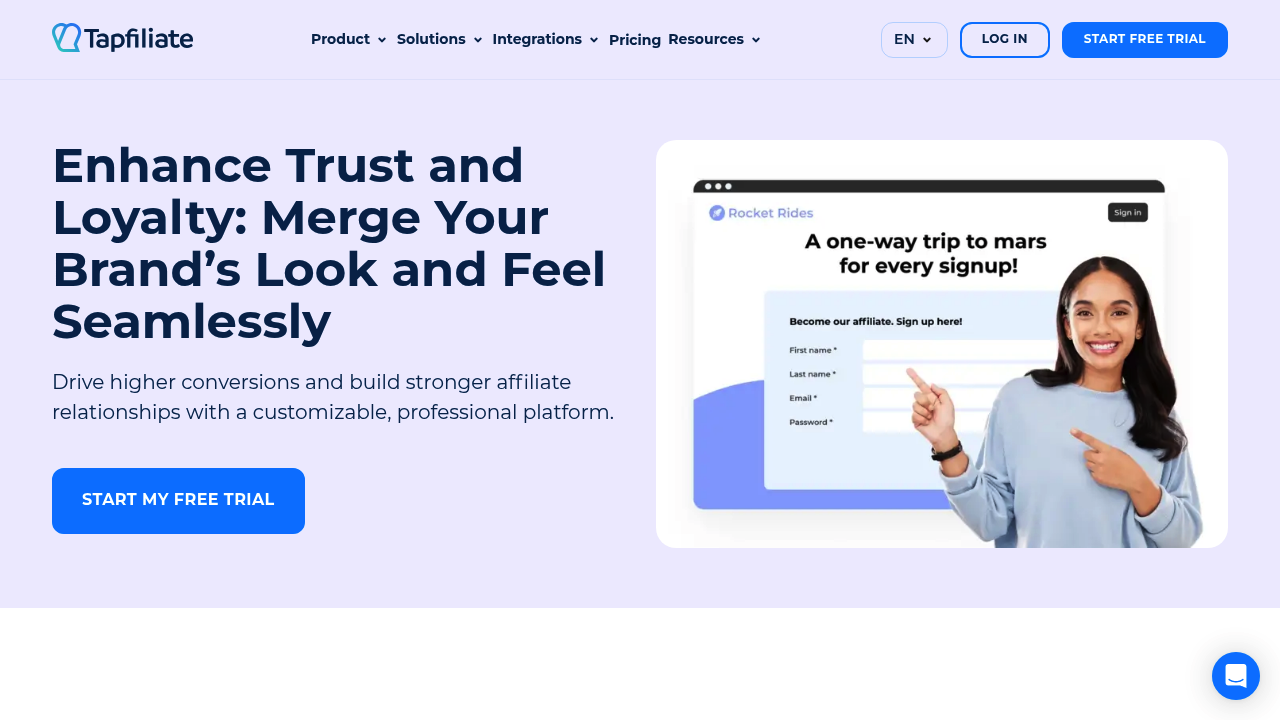
Drive higher conversions and build stronger affiliate relationships with a customizable, professional platform. Simply drag and drop your brand name and logo onto the signup page to create a spotless, professional look. Add a custom favicon to boost credibility and make your program feel uniquely yours.
Customize everything from logos to the user experience, creating a seamless extension of your brand.
Launch and grow your affiliate program with our powerful, all-in-one affiliate marketing software. Enjoy unlimited clicks, conversions, and commission plans!
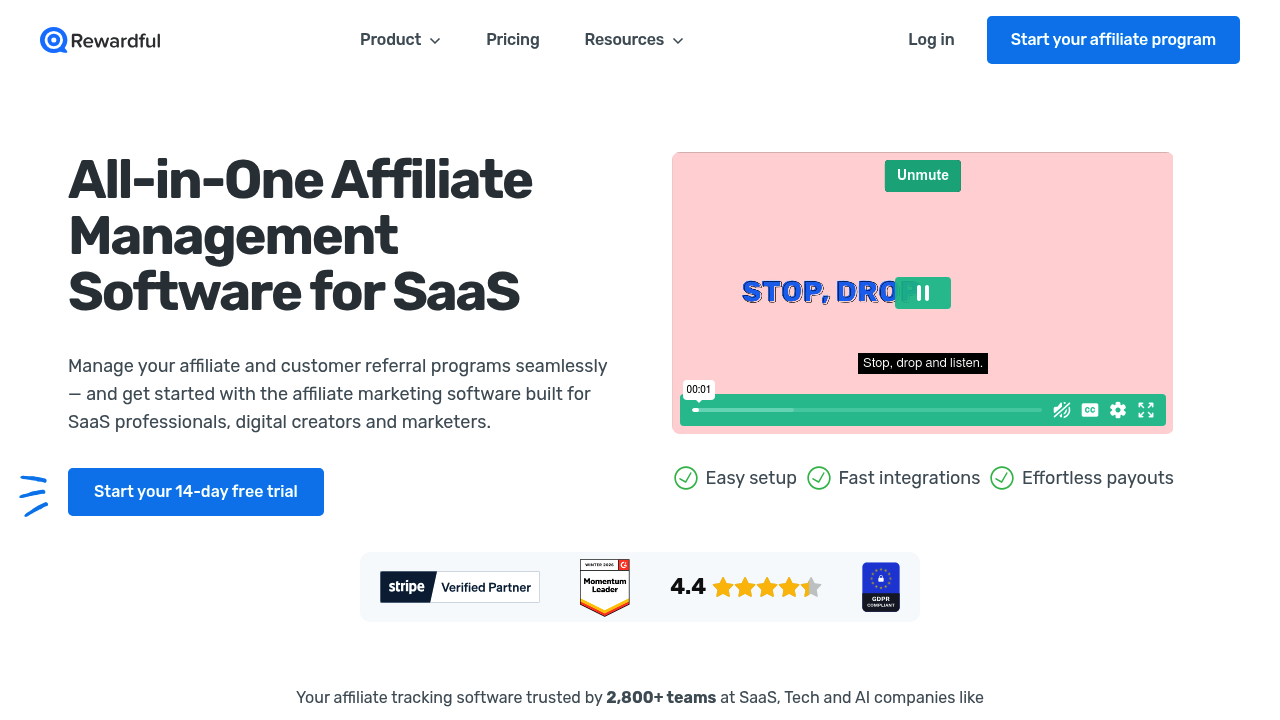
Rewardful is all-in-one SaaS affiliate and customer referral tracking software. Just connect your account and launch an affiliate program in minutes. Build a fully white-labeled program with our flexible API. As the leading referral software for SaaS, our advanced tracking and custom dashboards are built to fit your exact needs.
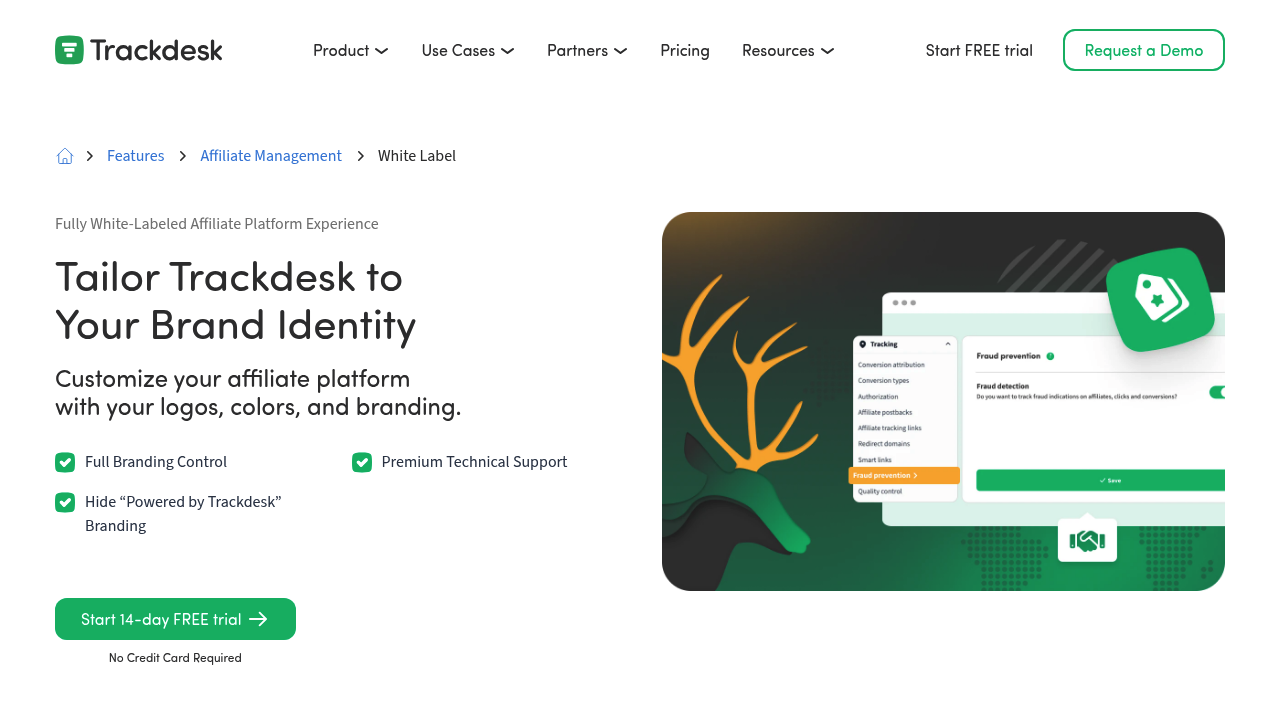
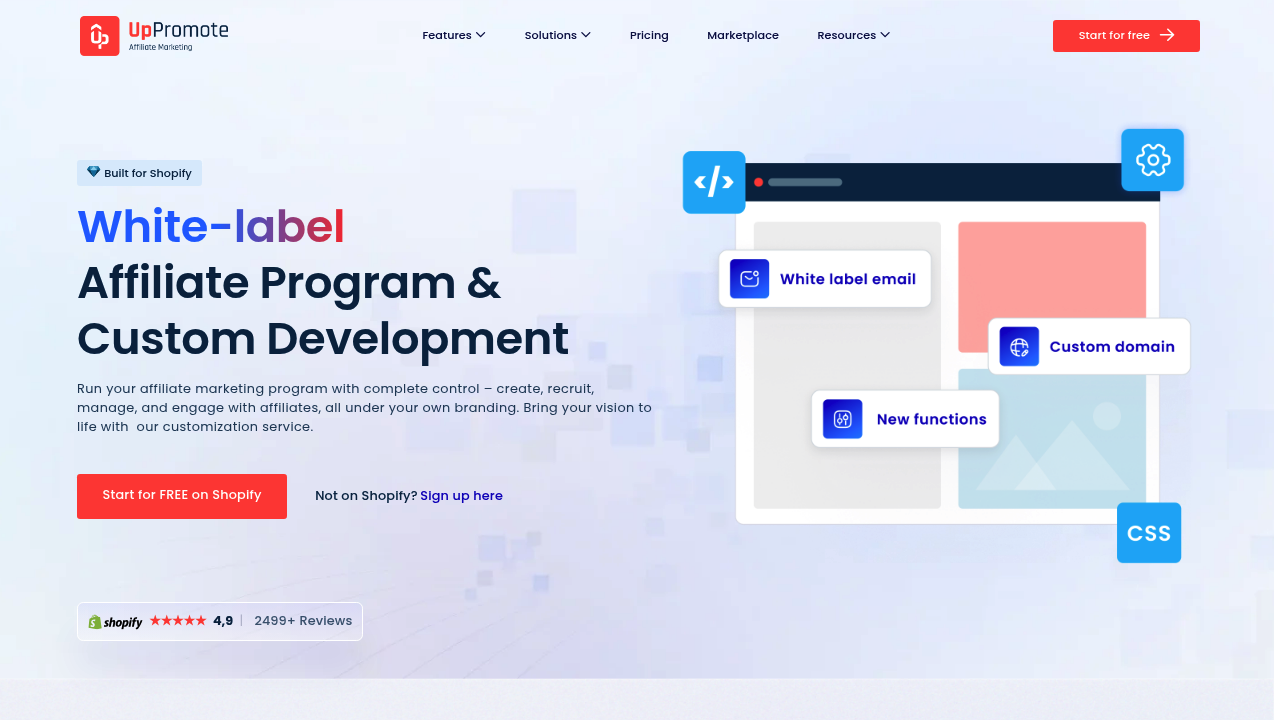
Boost your affiliate program with cutting-edge white label affiliate software! Customize, scale, and drive results under your brand. Start growing today!
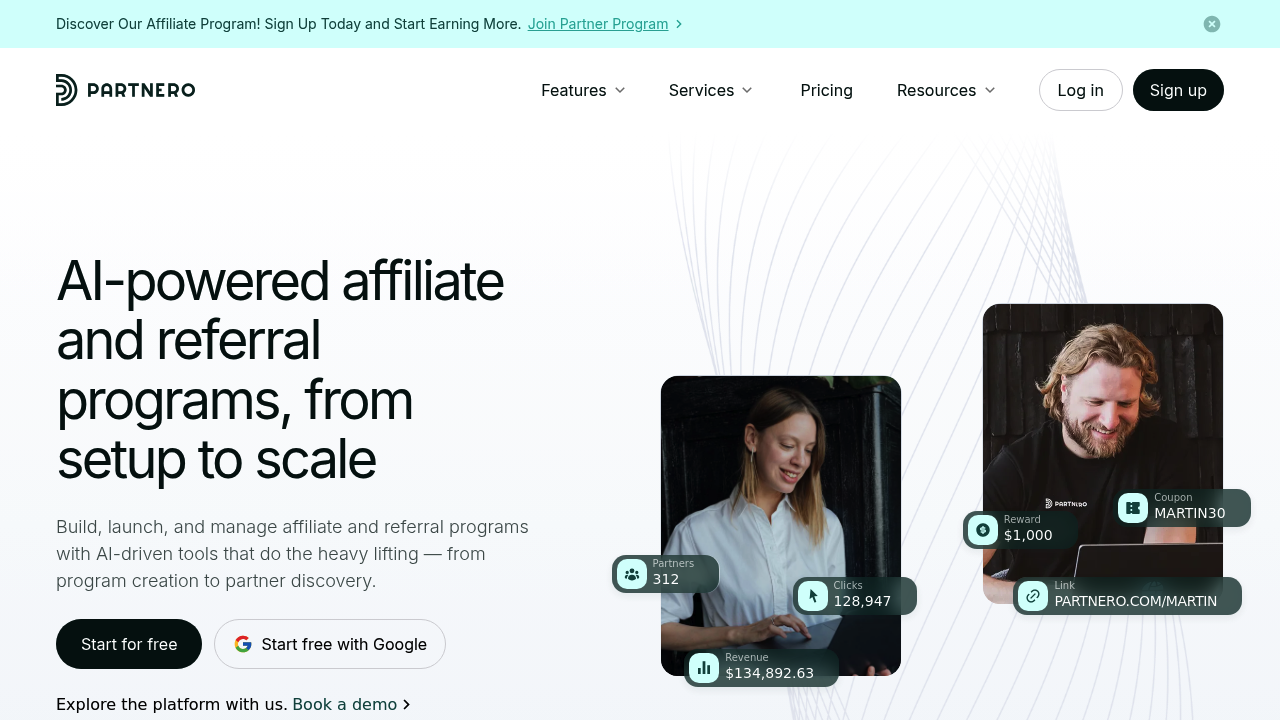
White-label affiliate and referral software: branded partner portal on your domain, program emails from your sender, commissions tied to Stripe, Paddle or Shopify, and automated partner payouts.
Click here for Loyalty & Reward Programs FAQs
FAQs on White Label Loyalty and Reward Software | Loyalty Platform
Welcome to our comprehensive guide on white label loyalty and reward software. This FAQ section is designed to answer all your key questions about how you can leverage white label loyalty and reward software to elevate your brand and foster genuine customer loyalty. Explore how these solutions can transform your customer experience, retention rates, and revenue.
A white label loyalty program is a customer loyalty solution that you fully brand and customize with your own logo, colors, and unique program elements. Your customers interact with a loyalty app or platform that feels natively integrated with your brand, building recognition and trust without the cost or complexity of building loyalty infrastructure from scratch. Leading examples of white label loyalty and reward software in the market include Open Loyalty, Voucherify, White Label Loyalty, Boomerangme, and Nector, each serving different business sizes and industries.
White label loyalty and reward software provides a configurable framework you can customize and connect to your existing systems. The software manages rewards programs, customer data, and engagement tracking through your branded app or platform. Push notifications, personalized offers, tiered rewards, and seamless integrations are core capabilities that drive repeat business and deepen brand loyalty. API-first white label loyalty and reward software like Open Loyalty and Voucherify expose 250 or more endpoints, enabling developers to embed loyalty logic anywhere in your tech stack.
Using white label loyalty and reward software delivers significant advantages across business sizes. Key benefits include:
- Faster time to market: white label solutions reduce launch time from months of development to days or even hours
- Full brand ownership: the loyalty experience looks and feels like your brand, not a third-party tool
- Behavior-based automation: rules trigger rewards based on purchases, visits, referrals, or app events without manual work
- Real-time analytics: dashboards track acquisition, redemption rates, average order value, and customer lifetime value
- Multi-channel communication: push notifications, SMS, and email campaigns all managed from one platform
- Scalability: enterprise-grade white label loyalty and reward software supports thousands of locations and millions of members without architectural changes
Businesses using platforms like LoyaltyPlant have reported 15% or more marginal profit growth year over year, while Boomerangme clients report 2x customer retention and 30% higher average order values.
Choosing the right white label loyalty and reward software requires evaluating several dimensions carefully. Key factors include:
- Integration depth: can it connect with your existing ePOS, CRM, e-commerce platform, and marketing tools without expensive custom builds
- Customization range: does it allow you to define unique reward behaviors, earning rules, and redemption logic, or lock you into preset mechanics
- Scalability: will the white label loyalty and reward software grow with your business from one location to hundreds
- Security and compliance: look for GDPR compliance, SOC 2 certification, and PCI compliance if you handle payments
- Support model: evaluate onboarding support, documentation quality, and ongoing customer success access
- Total cost of ownership: include setup fees, monthly subscription, overage charges, and rewards liability management
When comparing white label loyalty and reward software, focus on what matters most for your specific use case. Consider the following:
- Customization depth and integration capabilities: API-first solutions like Open Loyalty and Voucherify offer maximum flexibility but require developer resources, while turnkey options like Nector or Boomerangme prioritize speed and ease of use
- Target customer type: LoyaltyPlant is purpose-built for restaurants and QSR chains, Nector specializes in Shopify and D2C brands, and White Label Loyalty serves enterprise FMCG and global retail
- Reward mechanics supported: verify support for points, tiers, cashback, referrals, gamification challenges, and coalition rewards if relevant
- Vendor reputation and reviews: check G2, Capterra, and Shopify App Store reviews for real user feedback on reliability and support
- Hidden costs: watch for usage thresholds, per-location add-ons, overage fees, and rewards liability clauses that can materially shift total cost over time
Essential features to look for in white label loyalty and reward software include:
- Full brand customization: logo, color schemes, typography, and app naming should all be your own
- Flexible reward mechanics: support for points, tiers, cashback, stamps, referrals, and event-based earning
- Robust data analytics: tracking customer engagement, redemption rates, customer lifetime value, and campaign performance
- Personalized push notifications: behavior-triggered messaging to re-engage lapsing customers and promote new rewards
- API and webhook support: for connecting the loyalty engine to your broader tech stack
- Omnichannel reach: consistent experience across in-store, online, and mobile
- Gamification tools: challenges, badges, streaks, and milestone rewards to boost engagement
- Coalition or group loyalty support: if you operate across multiple locations or allied brands
Customization depth varies significantly by platform tier and architecture. At the most flexible end, API-first white label loyalty and reward software like Open Loyalty and Voucherify gives you full control over reward logic, earning rules, program structure, and front-end experience, essentially acting as a loyalty engine you build upon entirely. Mid-market solutions like White Label Loyalty and LoyaltyPlant offer deep configuration through admin consoles, covering branded apps, reward types, tier structures, and automated campaign rules without requiring heavy development. Entry-level tools like Nector and Boomerangme provide strong visual branding customization and configurable reward mechanics but operate within defined program templates. Authic takes an API-first, headless approach specifically designed for rapid branded app creation, giving brands full UX ownership while abstracting the back-end complexity. When evaluating customization, ask specifically whether you can define custom earning triggers, custom redemption conditions, and custom front-end UI, not just whether you can upload a logo.
Data security and privacy compliance are non-negotiable, especially for businesses operating in the EU. Reputable white label loyalty and reward software addresses this through several layers of protection:
- GDPR compliance: leading platforms support explicit consent capture, right-to-access requests, right-to-erasure (Article 17), and data portability, with Data Processing Agreements available for EU operators
- SOC 2 Type II certification: White Label Loyalty achieved SOC 2 Type II certification, demonstrating verified security controls covering availability, confidentiality, and processing integrity
- PCI compliance and card tokenization: white label loyalty and reward software supporting payment-linked loyalty uses full PCI compliance and card tokenization so no raw card data is stored
- High availability: enterprise platforms typically guarantee 99.99% uptime SLAs to ensure loyalty transactions are never lost
- CCPA and LGPD support: global platforms extend privacy compliance beyond GDPR to cover US and Brazilian privacy laws
For EU-based businesses, confirm whether customer data is stored on EU-based infrastructure or transferred to US servers, as this creates additional GDPR obligations around international data transfers. Always request a Data Processing Agreement from any white label loyalty and reward software vendor before going live.
Launch timelines vary considerably by platform type and integration complexity. At the fast end, white label loyalty and reward software like Boomerangme allows a business owner to scan their Google Business Profile and have a fully configured digital loyalty card live in Apple Wallet and Google Wallet within approximately 15 minutes. Nector can be installed and configured on a Shopify store in a matter of hours. For mid-market branded app deployments, Authic is designed to take a brand from concept to live white label app in days rather than weeks. Enterprise deployments with deep ePOS, CRM, and e-commerce integrations, typical for platforms like Open Loyalty, White Label Loyalty, or Voucherify, take longer due to integration planning, testing, and staff training, with timelines measured in weeks to months depending on scope. Connecting white label loyalty and reward software to existing systems through custom integrations can add $5,000 to $50,000 in cost, so factoring integration complexity into your timeline is essential.
Pricing spans a wide range depending on scale, features, and white label depth:
- Self-serve loyalty tools: $50 to $300 per month, covering basic rewards with limited white label options
- White label SMB bundles: $300 to $1,500 per month, with branded programs and per-location add-ons
- Mid-market white label loyalty and reward software: $1,500 to $5,000 per month, with usage tiers, premium support, and deeper integrations
- Enterprise and multi-country deployments: $5,000 to $15,000 or more per month, with custom SLAs, global scale, and full modularity
- Setup and implementation: $0 to $20,000 as a one-time fee, varying by branding depth and integration scope
For context, White Label Loyalty (the platform) starts at £1,999 per month. For small to mid-sized brands, total first-year loyalty program costs typically range from $2,500 to $50,000 depending on scope. Transaction-based pricing models typically add 2 to 3% per order, or around $15 per 100 orders beyond free tier limits. Always watch for overage rates and rewards liability management costs, which can materially shift total spend over time.
Integration typically happens through one of three routes: pre-built native connectors for platforms like Shopify, WooCommerce, or common CRMs; REST API and webhook-based custom integrations; or hybrid approaches combining both. API-first white label loyalty and reward software like Open Loyalty and Voucherify exposes 250 or more endpoints covering member management, event tracking, rewards issuance, and campaign logic, giving development teams fine-grained control. For e-commerce, Nector's deep Shopify integration means connection is near-instant with no custom code. For restaurant and QSR operators, LoyaltyPlant bundles ePOS integration, web ordering, and delivery directly into the loyalty platform, reducing the number of separate system connections required. Always work through a detailed integration requirements document with your vendor before committing, and insist on a sandbox or staging environment for testing before going live.
Integration is the most consistently cited pain point across the white label loyalty and reward software space. Common challenges include:
- ePOS and payment system compatibility: older or proprietary systems may not support standard API connections, requiring custom middleware
- Data migration and normalization: mapping existing customer records, transaction history, and points balances into a new platform cleanly is complex
- Fragmented customer experience: if the white label loyalty and reward software and your e-commerce or in-store systems are not in sync, customers experience inconsistencies that erode trust
- Slow API response times: high-latency loyalty APIs cause friction at checkout, a known challenge that leading vendors like Voucherify actively optimize for
- Limited native automation tool support: gaps in tools like Make or n8n integrations force workarounds, adding development overhead
Follow these steps to reduce integration friction:
- Map all existing systems (ePOS, CRM, e-commerce, email platform) before selecting a vendor, and validate compatibility upfront
- Define data schemas early: agree on how member records, events, and transactions will be structured in the new platform
- Build in a staging environment for end-to-end testing before any customer-facing launch
- Train front-line staff on how the white label loyalty and reward software appears in their tools, as poor staff adoption is a common failure point
- Monitor integration health continuously with alerting on failed event syncs or API errors
- Review and negotiate a Data Processing Agreement with your vendor to cover GDPR obligations before going live
Building genuine brand loyalty requires moving beyond simple transactional points. Focus on creating personalized experiences that align with your brand values and customer expectations. Offering exclusive benefits, birthday rewards, early access to sales, and tiered VIP status makes customers feel recognized rather than just tracked. Platforms like LoyaltyPlant enable AI-driven campaigns that automatically identify which customers are at risk of churning and trigger personalized re-engagement offers, a capability that restaurant operators credit with measurable retention improvements. Regularly analyzing customer data to understand what reward types actually drive repeat visits versus what simply gets redeemed once is critical to refining your strategy over time.
Effective strategies include:
- Tiered programs: rewarding higher-frequency customers with progressively more valuable benefits drives aspiration and increases visit frequency
- Wallet-native cards: Boomerangme's Apple Wallet and Google Wallet integration removes all friction from loyalty enrollment with no app download required, dramatically increasing adoption
- Gamification: challenges, streaks, badges, and milestone rewards make loyalty engagement feel like participation rather than just accumulation
- Behavior-triggered push notifications: automated messages sent when a customer is near a location, nearing a reward threshold, or has lapsed for a defined period drive measurable re-engagement
- Coalition and group loyalty: DirectDialogs supports programs where customers earn and redeem across allied businesses, increasing perceived value across a whole local ecosystem
- Web3 token rewards: Enable3's blockchain-based model gives customers true ownership of earned points, making rewards genuinely portable and transferable, addressing the approximately 85% unused points problem in traditional closed programs
Real-world results from leading platforms demonstrate what is achievable:
- Restaurant chains using LoyaltyPlant for 3 or more years report 15% or more marginal profit growth annually, and credit AI-driven campaigns as their most effective marketing tool. Some operators have also used their branded app to eliminate reliance on delivery aggregators, recapturing 20 to 30% commission costs previously paid to platforms like Uber Eats
- Boomerangme's 30,000 or more businesses across 60 or more countries show average results of 2x customer retention and 30% higher average order value for businesses actively using digital loyalty cards with push notifications
- Global brands like PepsiCo and Burger King run enterprise loyalty programs on the White Label Loyalty platform, demonstrating its capability for high-volume, multi-market deployments
- Nector's Shopify-focused white label loyalty and reward software consistently earns top reviews for ease of setup and customer support, helping D2C brands drive measurable repeat purchase rates with minimal technical overhead
Yes, and the market has increasingly moved to serve smaller operators well. White label loyalty and reward software like Boomerangme, Nector, and LoyaltyPlant offer SMB-friendly pricing and setup experiences specifically designed for business owners without dedicated technical or marketing teams. Boomerangme's AI tool "Richie" can configure a complete loyalty program in around 15 minutes by scanning a Google Business Profile. Nector's 40 or more built-in features, including VIP tiers and referral programs, are available through a Shopify integration that requires no development work. For very small local businesses, the wallet-native card model eliminates the barrier of convincing customers to download a dedicated app, which has historically been the biggest adoption hurdle for SMBs. The main consideration is pricing: SMB-tier white label loyalty and reward software bundles typically run $300 to $1,500 per month, so validating the expected return against that monthly investment before committing is important.
Becoming a reseller of white label loyalty and reward software is a growing opportunity, particularly for digital marketing agencies, business consultants, and SaaS operators. The typical process involves:
- Research and select a reseller-friendly platform: Boomerangme, for example, offers an agency white label plan with up to 50% commission for resellers, giving you your own branded loyalty platform to sell to local businesses
- Sign up for the reseller or agency program: most providers offer a dedicated reseller dashboard for managing your brand and sub-accounts for each client
- Brand the platform as your own: upload your logo, set your domain, configure your branded pricing tiers, and customize the front-end experience so it reflects your agency brand, not the underlying vendor
- Build your service offering: define what you will include beyond the software itself, such as setup, strategy consulting, campaign management, and ongoing reporting, to add tangible value and justify a recurring service fee
- Develop sales and marketing materials: create compelling case studies, pricing sheets, and demo environments that illustrate real outcomes like retention lift and revenue impact
- Provide ongoing client support: as the reseller, you are the primary contact for your clients, so understand the platform deeply so you can troubleshoot and advise proactively
Key skills for reseller success include knowledge of loyalty program strategy and reward mechanics, strong client communication, and the ability to demonstrate ROI clearly. Agencies that combine white label loyalty and reward software reselling with complementary services like social media management or email marketing tend to see the strongest client retention.
The most significant trends shaping white label loyalty and reward software through 2026 and beyond include:
- AI-driven hyper-personalization: moving beyond segment-level offers to individual-level recommendations driven by behavioral data, purchase history, and predicted churn risk
- Wallet-native and payment-native loyalty: deep integration with Apple Pay, Google Pay, and banking apps makes earning and redeeming rewards a seamless byproduct of normal payment behavior
- Omnichannel consistency: a single loyalty identity that works identically in-store, online, in-app, and through third-party channels
- Coalition and multi-merchant programs: allied businesses sharing loyalty infrastructure to offer customers broader earn-and-burn networks
- Web3 and tokenized rewards: blockchain-based points that customers truly own, can trade, and can use across platforms, directly addressing unused points waste
- Zero-party and first-party data strategies: as third-party cookies disappear, white label loyalty and reward software becomes a primary mechanism for brands to ethically collect and own rich customer behavioral data
AI and machine learning are enabling white label loyalty and reward software to process behavioral signals in real time, automating campaign triggers that previously required manual segmentation. Voucherify has publicly focused engineering resources on reducing API latency to sub-100ms response times, recognizing that slow loyalty processing at checkout is a significant customer experience failure point. Mobile loyalty apps are integrating geo-location awareness, allowing offers to trigger when a customer is near a store. Blockchain technology, as demonstrated by Enable3, is moving from concept to production for brands seeking transparent, transferable reward asset models.
Near-term innovations to watch in white label loyalty and reward software include:
- No-code and AI-assisted program building: tools like Boomerangme's Richie AI reduce the expertise required to launch a sophisticated loyalty program to near zero
- Web3 mission mechanics: Enable3's "hold-to-earn," "tap-to-earn," and event-based challenge systems introduce a new category of engagement beyond points accumulation
- Real-time behavioral triggers: loyalty actions fired within milliseconds of a customer event, enabling truly contextual reward moments
- Augmented reality loyalty experiences: AR-based in-app challenges and interactive loyalty moments that create brand engagement beyond the transaction itself
- Composable loyalty modules: headless architecture allowing brands to mix and match program components (points engine, tier manager, voucher engine, referral module) independently, as pioneered by API-first white label loyalty and reward software