
White Label Community & Forum Software

Looking for white-label community and forum software? Rebrand discussion platforms, engagement, and moderation tools.

Visit website Desktop screenshot of GroupApp homepage

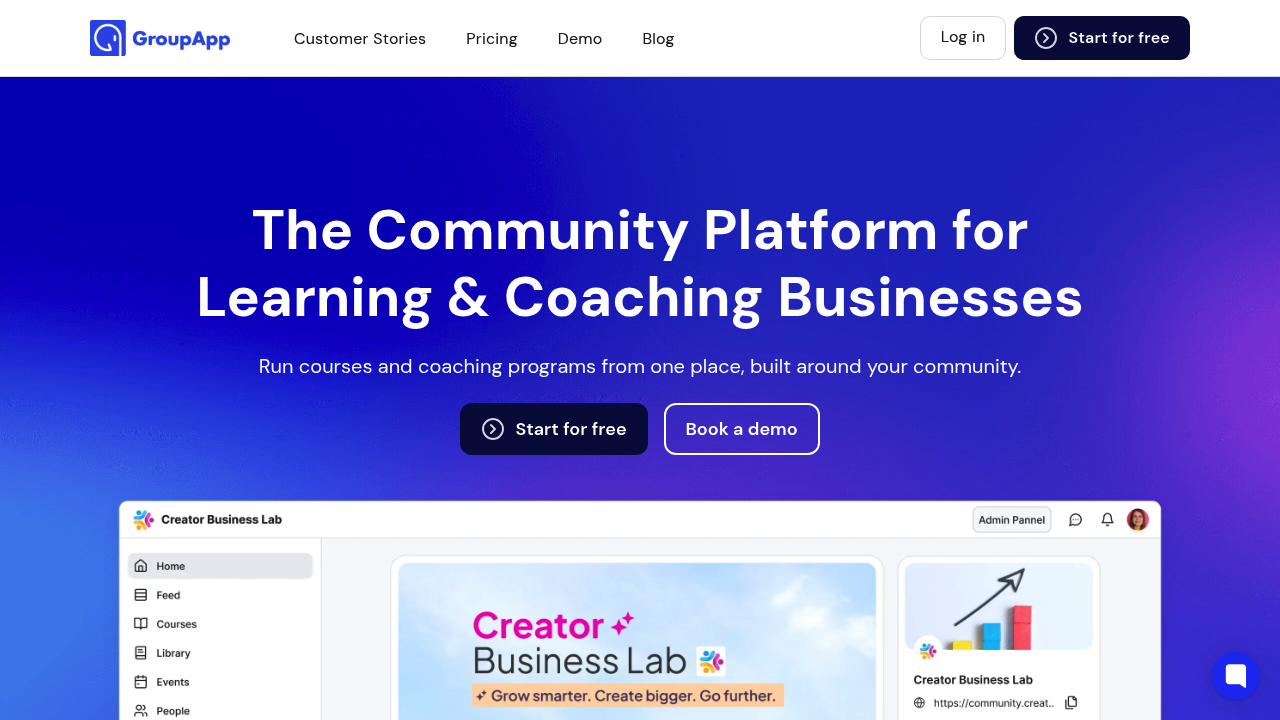
GroupApp is a white-label learning community and course platform with custom domains, white-label emails, 0%-fee Stripe billing, and branded iOS/Android apps.

Community & Forum Software
Branded Business Fit Enhanced White-LabelπŸ”‹
62 DR
Vote for this project
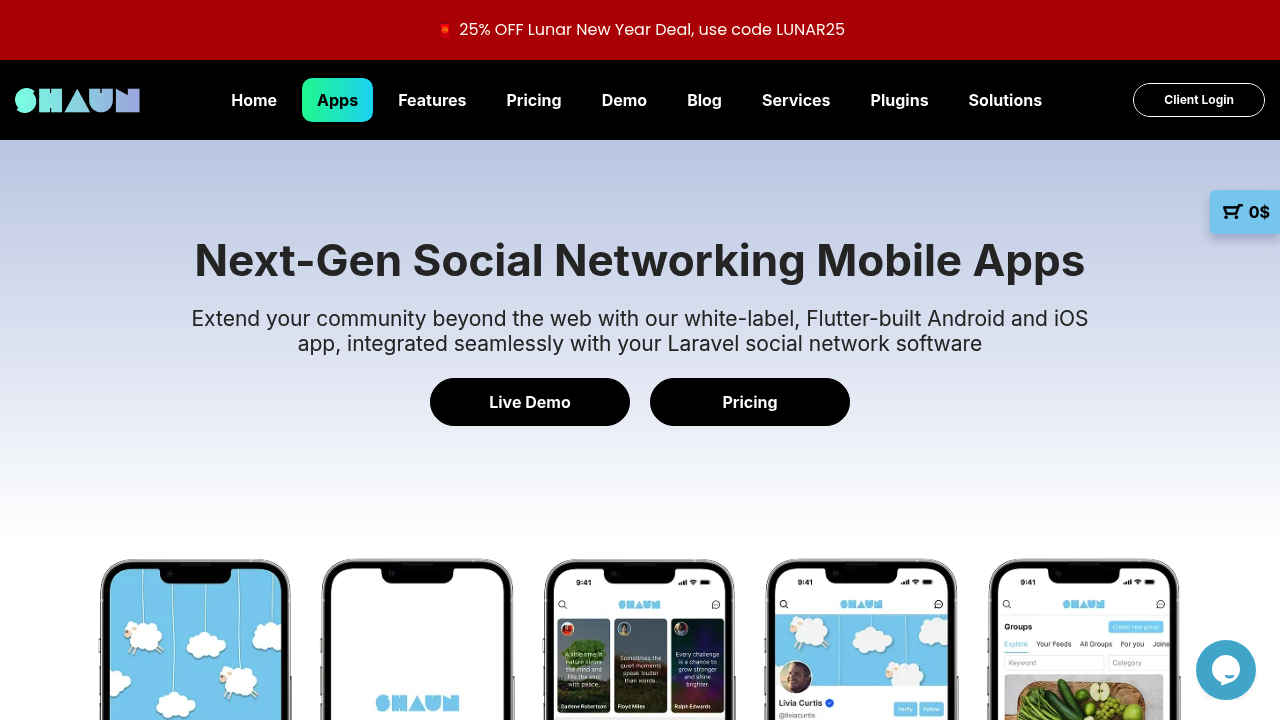
Visit website Desktop screenshot of ShaunSocial web interface

ShaunSocial is a white-label Laravel social network script and cloud platform with unencrypted web source code, Flutter iOS/Android apps, and Stripe/PayPal.

Community & Forum Software
Agency Fit Branded Business Fit Deep White-Label⚑
20 DR
Vote for this project
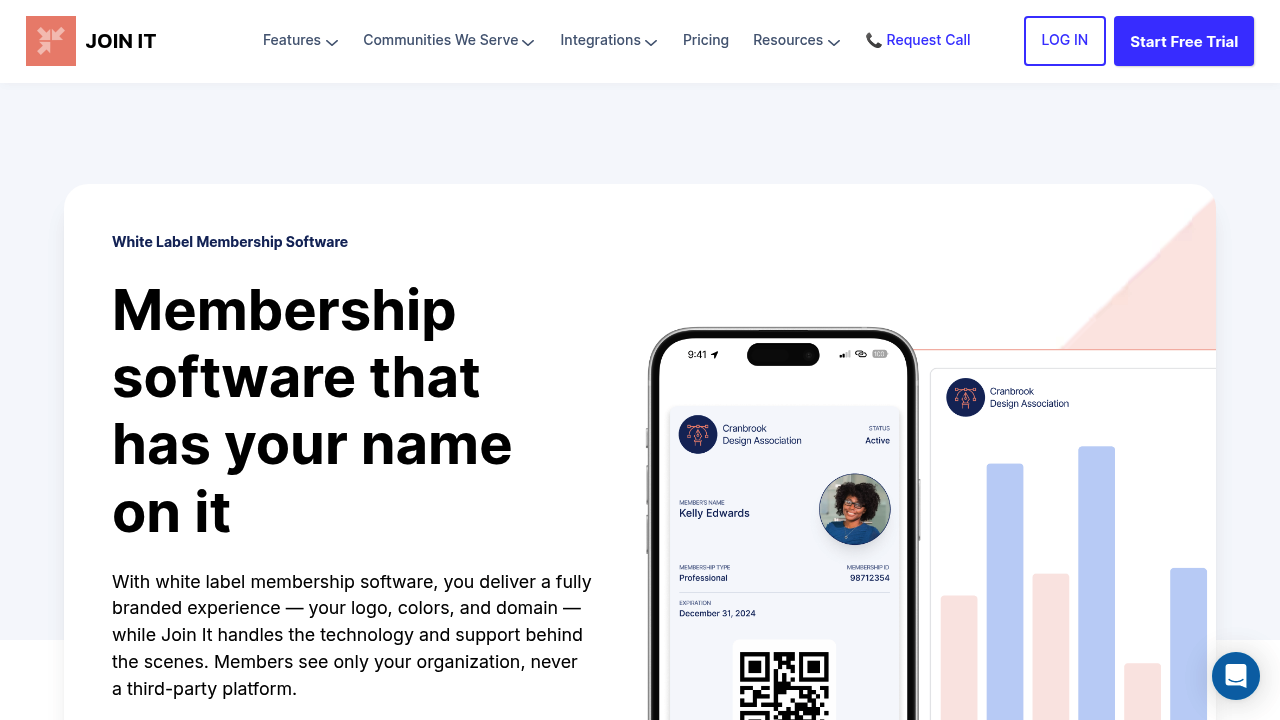
Visit website Desktop screenshot of Join It web interface

Join It is white-label membership management software with custom-domain portals, removable Join It branding, digital membership cards, Multi-Chapter Enterprise and REST API.

Community & Forum Software
Agency Fit Branded Business Fit Deep White-Label⚑
79 DR
Vote for this project
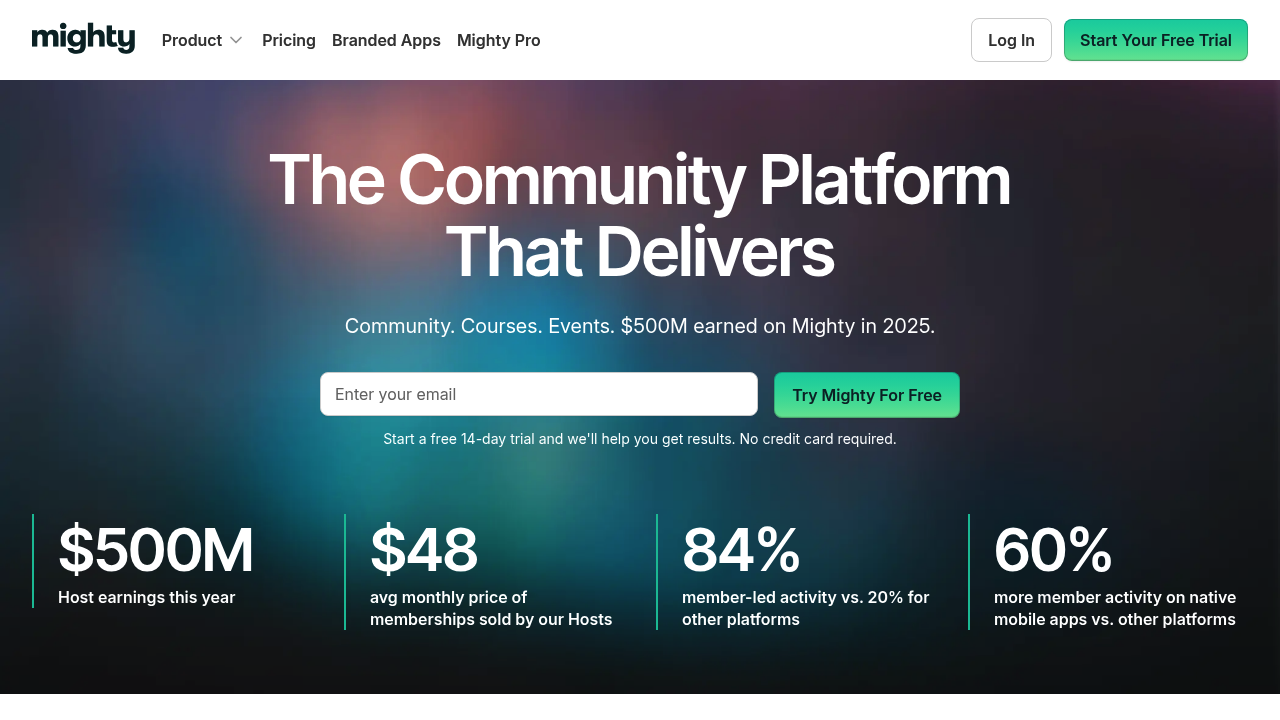
Visit website Desktop screenshot of Mighty Networks web interface

Mighty Networks is a white-label community, courses and memberships platform with custom domains, Space branding, and Mighty Pro branded native mobile apps.

Community & Forum Software
Agency Fit Branded Business Fit Deep White-Label⚑
84 DR
Vote for this project
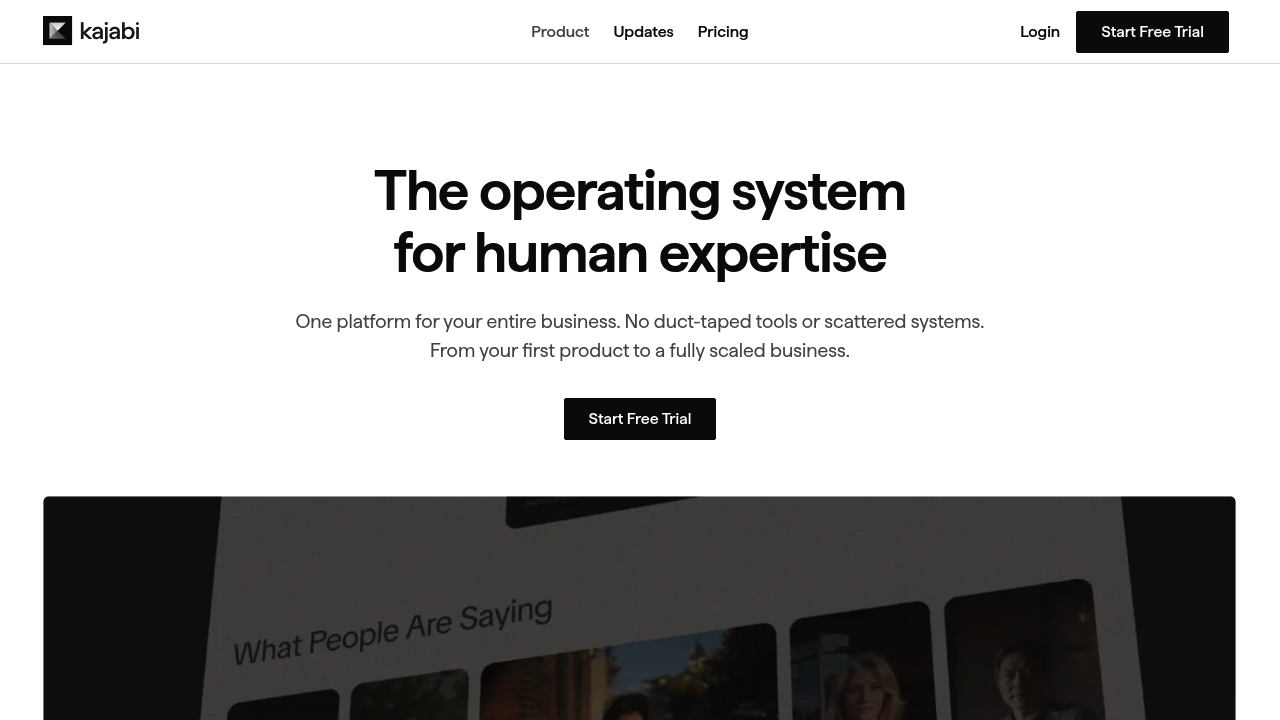
Visit website Desktop screenshot of Kajabi web interface

Kajabi is a creator platform with custom domains, removable Powered by Kajabi badge on Growth/Pro, and a white-labeled Branded Mobile App published under your own Apple and Google accounts.

Community & Forum Software
Branded Business Fit Enhanced White-LabelπŸ”‹
87 DR
Vote for this project
Click here for Community & Forum Software FAQs

White-Label Community & Forum Platform FAQs

Welcome to our comprehensive guide on White-Label Community and Forum Software. In this article, we address the most frequently asked questions about white-label community platforms, helping you understand, evaluate, and leverage these solutions effectively. Whether you are a creator, association, SaaS company, brand, or agency, this FAQ resource will clarify how white-label community platforms can strengthen your audience relationships, deepen member engagement, and elevate your brand.

A white-label community platform is software built and maintained by a vendor but fully rebranded and presented under your own identity β€” your logo, colors, domain, and app store listings. Members never see the underlying provider's name; from their perspective, they are joining your branded social network, forum, or membership hub. It is fundamentally different from hosting a Facebook Group or Slack workspace, where the third-party platform's brand, algorithms, and rules take center stage instead of yours.

The degree of customization varies significantly between vendors. Most platforms offer surface-level branding: custom domain, logo, color palette, and email templates. More advanced platforms β€” Hivebrite, Bettermode, and Honeycommb, for example β€” go deeper with control over typography, navigation labels, custom CSS, page layouts, and full mobile app theming. The important caveat is that even heavily branded platforms still operate within a fixed structural framework set by the vendor; you typically cannot rearchitect the underlying database, change the core feature set, or modify server-side logic unless you choose a self-hosted or open-source solution. Always request a live demo in "branded" view and ask specifically whether custom fonts, multi-brand setups, and custom email domains are included in the plan you are considering.

Community Software?

The two deployment options involve very different trade-offs on cost, control, and maintenance responsibility. SaaS (managed) platforms offer low setup cost, fast launch times (days to weeks), and vendor-managed infrastructure, but give you limited backend control and keep data in the vendor's data centers β€” making them best suited for SMBs, creators, associations, and agencies. Self-hosted platforms give you full control over code, server, and data residency, and allow unlimited code-level customization, but require significant upfront infrastructure investment, a capable technical team for ongoing maintenance, and weeks-to-months to deploy. For most buyers, SaaS is the pragmatic choice. Self-hosting is worth considering only when your legal, compliance, or brand-differentiation requirements demand it and you have a capable technical team in place.

Yes β€” most reputable platforms support migration, but the complexity depends on how much data you need to move and from which source platform. A full migration typically involves creating a data inventory (member profiles, discussion threads, content, media files, event history, and payment records), configuring the new platform's structure to mirror the old one, reconnecting your domain, and re-establishing integrations with your CRM and marketing tools. After that comes a soft launch for a subset of members, followed by a full cutover and performance monitoring phase. End-to-end, a community migration realistically takes 2–6 months depending on community size and customization complexity, so factor this timeline into your vendor evaluation. Key questions to ask any vendor: Do they provide migration tooling or professional services? Is historical post content, media, and member metadata portable? Will SEO-relevant URLs be redirected?

White-label platforms unlock multiple, stackable revenue streams that third-party platforms like Facebook Groups or Slack cannot offer. The most common monetization models include:

  • Paid membership tiers β€” Free, standard, and premium access levels with different content permissions and pricing (e.g., $9/month basic, $49/month VIP)
  • Courses and workshops β€” Sell gated educational content directly inside the community; bundle with membership for upsells
  • Event ticketing β€” Charge for virtual webinars, in-person meetups, or hybrid conferences with RSVP and payment built in
  • Digital product sales β€” Templates, guides, downloadable resources, and swipe files sold directly to members
  • Group coaching programs β€” Time-limited cohorts with live sessions and guided peer learning
  • Sponsorships and brand partnerships β€” Sell sponsored content, newsletter slots, or event placements to brands your audience trusts
  • Donations and fundraising β€” Relevant for nonprofits and associations (Hivebrite has native fundraising tools)

Platforms like BuddyBoss, Kajabi, and Mighty Networks have these monetization tools built in natively, while others like Bettermode integrate with payment processors such as Stripe and WooCommerce.

Almost any sector that benefits from structured, ongoing connection between a defined group of people is a viable use case. Common verticals include:

  • Professional associations and alumni networks β€” Private member directories, event calendars, chapter management, and tiered dues
  • Education and EdTech β€” Cohort-based learning, peer discussions, alumni engagement, and school communication apps
  • Creators, coaches, and membership site operators β€” Premium content communities, group coaching, and course upsells
  • SaaS and B2B companies β€” Customer success communities, product feedback boards, and user groups that reduce churn and support costs
  • D2C and e-commerce brands β€” Customer loyalty hubs, brand ambassador programs, and advocacy communities
  • Nonprofits and advocacy organizations β€” Mission-aligned volunteer coordination, fundraising, and event management
  • Health and wellness β€” Patient support groups, fitness coaching communities, and wellness subscription networks
  • Media and publishers β€” Subscriber-only forums, niche editorial communities, and reader discussion groups
  • Enterprises β€” Internal knowledge-sharing intranets, employee engagement communities, and departmental forums

Data ownership is one of the most important contractual points to clarify before signing. The key principle of white-label platforms is that your member data β€” profiles, content, analytics, and payment records β€” should be managed by you, not pooled into the vendor's shared dataset. In practice, you need to read the Data Processing Agreement (DPA) carefully, confirm that the vendor is acting as a data processor under your instructions (not as an independent data controller), and verify that you can export all data in a standard format at any time. EU-based buyers must also confirm that data is stored within EU data centers or that adequate transfer mechanisms are in place, and that the vendor's infrastructure complies with GDPR Article 28 requirements. Platforms like Hivebrite and Bettermode explicitly market GDPR compliance and first-party data control as core selling points for European enterprise customers.

At minimum, your vendor should hold SOC 2 Type II and ISO 27001 certifications, which demonstrate systematic information security management. Look for end-to-end encryption for data in transit and at rest, multi-factor authentication (MFA) for admins, role-based access controls, and a clear incident response and breach notification policy (GDPR requires notification within 72 hours of a confirmed breach). If you serve regulated industries β€” healthcare, finance, or education for minors β€” ask specifically about HIPAA, PCI-DSS, or FERPA/COPPA compliance as applicable. Platforms hosted on major cloud infrastructure like AWS inherit strong physical and network security controls, but you must still validate the application layer controls the vendor has implemented on top.

Whether you need a dedicated app depends on your audience's behavior and your engagement goals. A well-optimized mobile web experience (responsive or PWA) is often sufficient for communities where members access content occasionally or primarily on desktop. However, a branded iOS/Android app is strongly recommended if your members are primarily mobile users, if push notifications are important to drive daily active usage, or if your brand positioning requires that your community appear in the App Store and Google Play under your name. The trade-off is cost: branded apps are the most expensive feature on most platforms' pricing ladders, and they come with ongoing obligations β€” app store review compliance, regular updates, and policy changes to manage. Some platforms (Honeycommb, Social Plus, Disciple) specifically compete on the quality and accessibility of their branded app tier, making this a key differentiator to evaluate head-to-head.

The integrations that deliver the most value depend on your existing tech stack, but several categories are consistently cited as essential by community operators:

  • Payment processors β€” Stripe and PayPal for memberships, event tickets, and course purchases
  • Email marketing β€” Mailchimp, ConvertKit, or ActiveCampaign for automated welcome sequences, newsletters, and re-engagement campaigns
  • CRM β€” HubSpot, Salesforce, or similar tools to sync member data and trigger lifecycle marketing
  • SSO / identity providers β€” SAML or OAuth-based single sign-on so members don't need a separate login, especially for SaaS customer communities
  • Analytics β€” Google Analytics or Segment for custom funnel analysis beyond the platform's native dashboards
  • Learning management β€” If courses are separate from community, an integration with platforms like Teachable or Thinkific prevents data silos

Platforms like Bettermode and Hivebrite lead on the depth of integrations and API access, while creator-focused platforms like Kajabi and Mighty Networks tend to keep more functionality native to reduce the need for third-party connections.

A basic SaaS deployment β€” branding configured, domain connected, initial spaces set up, and founding members invited β€” can be live in as little as a few days to a few weeks. A more complete launch with custom onboarding flows, integrations, content seeded, and a branded mobile app typically takes 4–12 weeks. If you are migrating an existing community (transferring member data, historical content, and SEO-sensitive URLs), plan for 2–6 months end-to-end, especially at enterprise scale where stakeholder alignment, testing, and phased rollout add significant time. Building comparable software from scratch, by contrast, can take many months and cost $50,000–$500,000+, which is precisely the cost and time advantage a white-label platform provides.

AI capabilities are becoming a standard expectation rather than a premium extra on leading platforms. Current AI features available across the market include automated content moderation (flagging spam, toxic posts, or off-topic threads), AI-driven member matching and networking recommendations, personalized content feeds based on member behavior, AI-assisted content creation tools for community managers, and smart analytics that detect at-risk or disengaging members before churn occurs. Mighty Networks promotes an "AI co-host" for content generation and personalization, while Hivebrite highlights AI-powered matching and automated moderation as part of its enterprise tier. When evaluating AI features, ask whether the AI model is trained on your community's data, whether AI outputs are auditable, and what opt-out controls members have.

The most common reasons white-label community deployments underperform or fail are not primarily technical β€” they are strategic and operational:

  • Vendor lock-in and poor data portability β€” If you cannot export your member data and content cleanly, switching platforms later is extremely painful. Always confirm export formats before signing.
  • Underestimating engagement work β€” A platform alone does not create a community; you need dedicated community management, a content calendar, and active facilitation to sustain member participation.
  • Choosing the wrong tier β€” Starting on a low-cost plan and then needing features (branded app, SSO, advanced analytics) only available on expensive enterprise tiers creates disruptive mid-growth migrations.
  • Integration gaps β€” If the platform cannot connect cleanly to your CRM or email tool, member data fragments and marketing automation breaks.
  • Hidden transaction fees β€” Some platforms take a percentage cut of membership and event revenue, which can significantly erode economics at scale.
  • Mobile app maintenance burden β€” A branded app requires ongoing management of app store submissions, OS updates, and policy compliance, which is often underestimated.

The best platform depends on the intersection of your audience profile, technical capabilities, budget, and long-term strategy. Use the following framework to narrow down your shortlist:

  1. Define your primary use case first β€” Creator/course community (Kajabi, Mighty Networks, Pensil), enterprise/association (Hivebrite, Bettermode), SaaS customer community (Bettermode, Disciple), or WordPress-integrated site (BuddyBoss).
  2. Assess branding depth required β€” If brand fidelity is non-negotiable, shortlist only platforms that offer full mobile app white-labeling and custom domain under your tier of budget.
  3. Audit monetization needs β€” Make sure the platform natively supports the revenue models you plan to use (subscriptions, courses, events, donations) without excessive transaction fees.
  4. Test integrations with your existing stack β€” Ask for sandbox API access or run a 30-day trial that connects to your CRM and email tool before committing.
  5. Confirm data portability and GDPR terms β€” Request the DPA and verify export capabilities, especially if you are operating in the EU.
  6. Model total cost of ownership over 3 years β€” Include subscription fees, transaction fees, app fees, onboarding costs, and migration risk. The cheapest monthly plan rarely stays cheapest at scale.

Filters

Tags

White Label Categories