
We provide a scalable, White-Label EV Charging Management Platform for businesses, charge point operators, e-mobility service providers, energy companies, installers, organizations and resellers.
White Label EV Charging Software
Looking for white-label EV charging software? Rebrand station management, billing, and charging solutions.
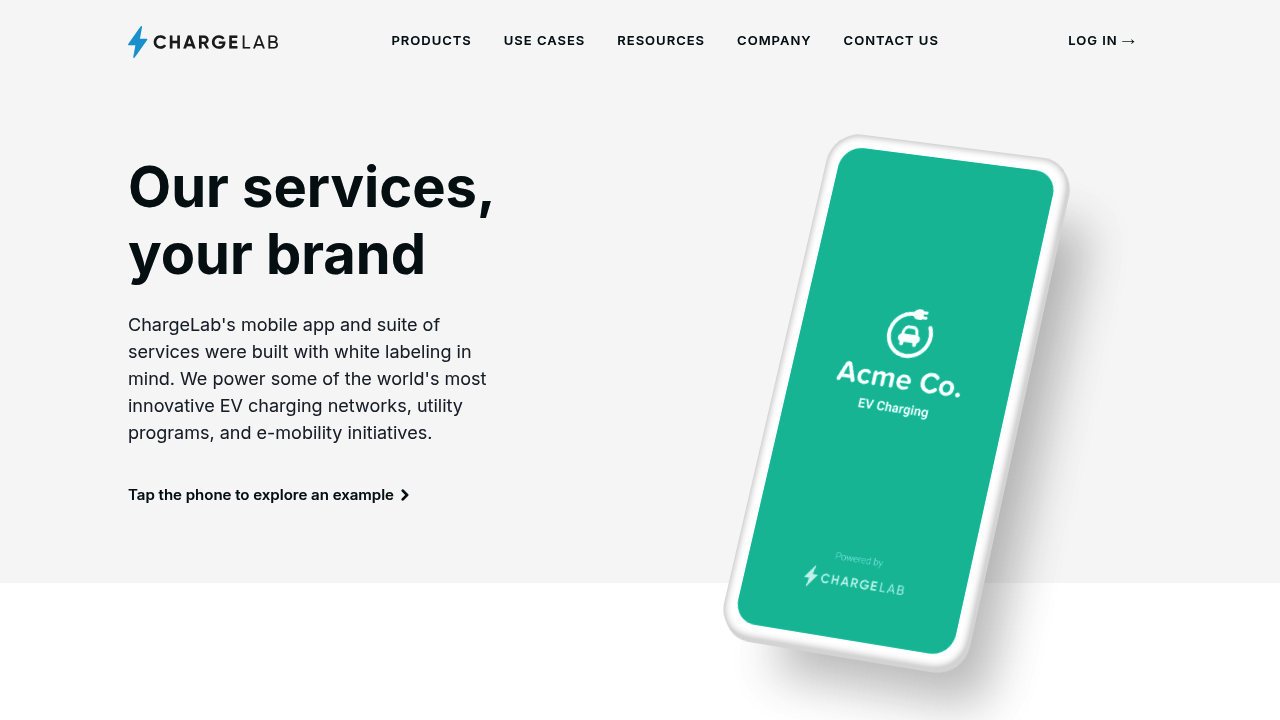
ChargeLab provides turnkey white label services for CPOs, utilities, governments, and businesses. Get the most advanced EV charging apps, dashboards, and network cards—all fully branded with your logo, colors, and identity.
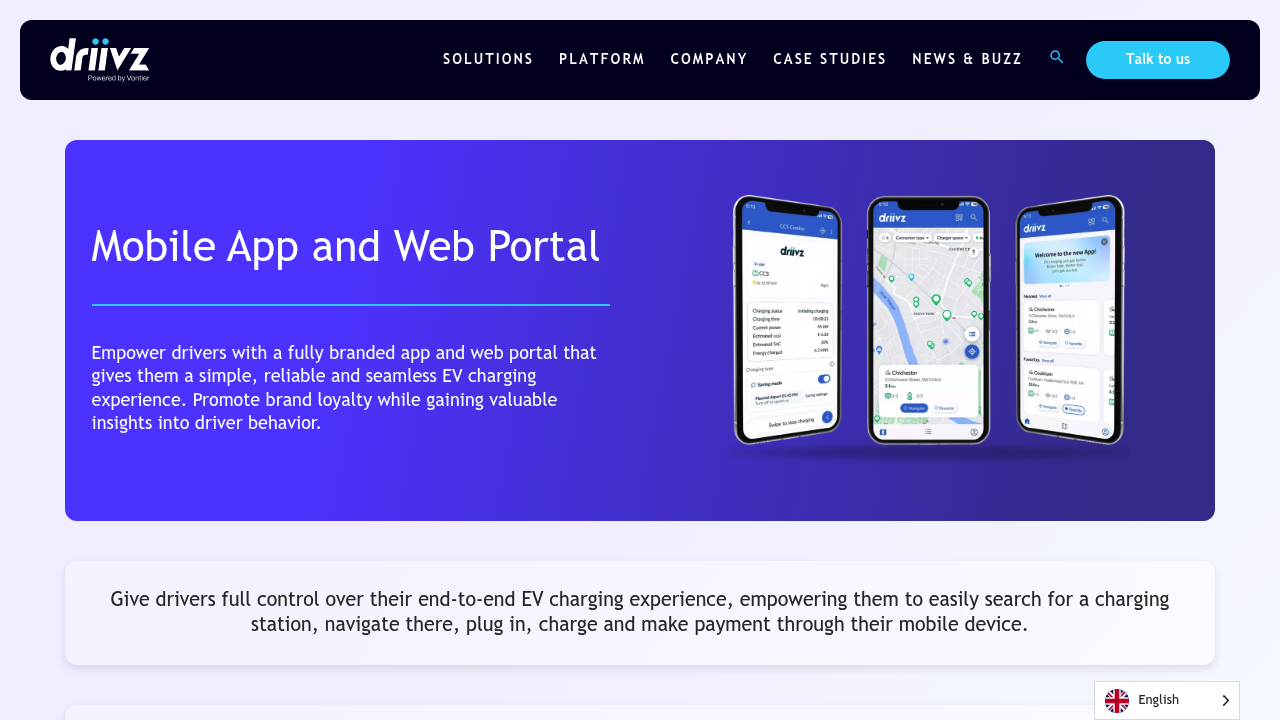
Empower drivers with maximum flexibility and convenience through easy-to-use, white labelled EV charging application
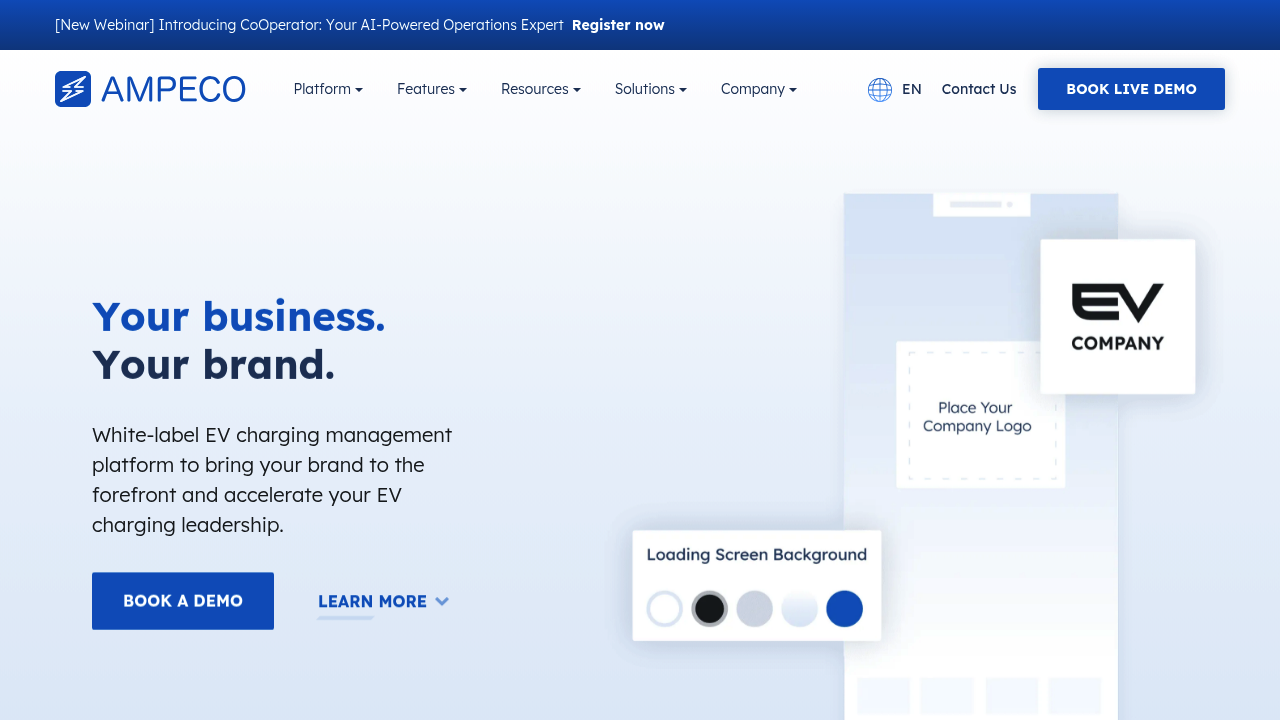
White-label EV charging management platform to bring your brand to the forefront and accelerate your EV charging leadership.
Click here for EV Charging Software FAQs
White Label EV Charging Software FAQs
Welcome to our comprehensive guide on White Label Electric Vehicle (EV) Charging Software. This FAQ answers the most common questions about deployment, customization, compliance, integrations, and operations for businesses looking to launch or scale branded EV charging services.
White-label EV charging software is a ready-made software solution that lets you launch EV charging services under your own brand. Instead of building from scratch, you use white-labeled software developed by an experienced software provider, then bring your brand by applying your logo, colors, and user experience. This white label solution functions as a full white-label EV charging management platform, covering charger management, charge station monitoring, billing, and customer experience—so you can operate and scale faster while staying fully branded.
Traditional EV charging software is branded by the vendor and shared across multiple charging networks. White label EV charging removes that limitation. With a white-label solution, the platform appears entirely as your own, allowing you to build trust, loyalty, and recognition in the EV charging industry. This approach enables customized EV charging experiences without exposing the original software development behind the scenes.
White label EV charging software helps accelerate your EV charging business by reducing time-to-market, lowering upfront costs, and enabling new revenue streams. You retain control of your brand, offer a branded app and mobile application, and deliver seamless EV charging across your charging network. For companies looking to launch, this approach supports faster onboarding, scalable charging services, and a consistent charging experience.
EV charging software relies on open standards to ensure interoperability and long-term flexibility. OCPP is the most important standard, enabling communication between each charge point, EV charger, and the central management system. These standards allow advanced EV charging features, reliable network operations, and compatibility across charger brands—critical for end-to-end EV charging.
OCPP-compliant EV charging software is essential for building resilient EV charging networks. It ensures that charge stations from different manufacturers work within one charging station management system, reducing vendor lock-in. For charge point operators and CPOs, OCPP enables freedom of choice, better uptime, and easier expansion of available charging stations.
Plug & Charge simplifies electric vehicle charging by automatically authenticating the EV driver when the cable is connected. Powered by ISO 15118, this technology removes the need for RFID cards or apps, delivering seamless charging and improving the customer experience—especially in advanced EV charging environments.
When you’re building an EV charging business, pricing models matter. Common options include per-charger SaaS fees, transaction-based pricing, or hybrid models. These structures support flexibility as your charging network grows, whether you manage home charging, fleet EV deployments, or public charge stations.
ROI depends on utilization, pricing strategy, energy costs, and load management. Operators should analyze whether a charge station supports direct revenue or indirect value through customer retention. Strong EV charging management software provides analytics to measure performance and optimize charging station management.
The amenity model treats EV charging as a value-added service, while the gas station model treats charging as the primary business. Each model impacts charging solutions, pricing, and charging services differently. The right choice depends on location, traffic, and business to scale.
Yes. White-label EV charging management software supports smart charging and dynamic load management, ensuring power is distributed efficiently across multiple EV chargers. This protects infrastructure, improves uptime, and ensures minimal downtime during peak demand.
Scalability depends on automation, remote diagnostics, predictive maintenance, and a robust management platform. A strong charging management system supports charger management, station management, and charge point management as your EV charging network expands.
Fleet-focused EV charging software supports priority charging, consolidated billing, EV fleet reporting, and home charging reimbursements. This makes it easier to manage fleet EV operations and ensure reliable charging for drivers using the EV daily.
A white-label EV charging app should show available charging stations, enable payments, support charge points, and guide the EV driver through a seamless charging session. A branded app improves engagement and reinforces your brand at every interaction.
A smooth user experience directly affects utilization. Clear navigation, reliable station status, and consistent interfaces across charging networks encourage repeat use and build confidence in your EV charging services.
Not always. Some EV charging stations benefit from guest payments, while others require registration. The right balance depends on location, charging experience goals, and whether you’re serving fleets, public users, or site hosts.
Security is critical. EV charging software should include encrypted communication, access controls, and secure APIs. These protections safeguard the EV charging network, protect customer data, and ensure reliable charging station management system operations.
Regulations influence metering accuracy, data protection, and payments. Flexible white-label EV charging software adapts to evolving requirements while maintaining compliance across regions and charging services.
ISO 27001 demonstrates that a software provider follows best practices for information security. This reassures operators that EV charging management software can safely handle sensitive charge station and customer data.
Look for proven scalability, strong onboarding, OCPP support, and experience with e-mobility service providers. A reliable partner supports successful EV charging and long-term growth.
Vendor independence reduces risk. It ensures continuity, flexibility, and confidence as you grow charging networks and operate across multiple markets.
Key integrations include payments, fleet systems, CRM tools, and network operations platforms. A white-label EV charging management platform should connect everything into one cohesive management system.
Building in-house offers control but requires time and resources. White-label EV charging software solutions offer speed, proven reliability, and faster market entry—ideal for most businesses.
A reseller model allows rapid entry using an existing platform. Consider flexibility, branding control, and long-term margins when choosing this route.
Market demand, incentives, energy pricing, and competition all affect software decisions. Understanding these factors helps accelerate your EV charging strategy and ensures long-term success.
Implementation speed depends on scope. White-label EV charging software itself can typically be deployed in 4–6 weeks, covering branding, configuration, onboarding, and mobile app launch. Some providers support accelerated launches in as little as 1–2 weeks for software-only rollouts. Software deployment is decoupled from physical EV charging station installation, which can take several months due to permitting, grid connections, and construction.
White label EV charging software offers broad customization across branding, operations, and integrations. Standard customization includes logos, colors, typography, and a fully branded app experience. More advanced platforms support configurable dashboards, modular feature selection, custom pricing models, API access, and integration with fleet systems, payment providers, and energy platforms.
White label EV charging software benefits utilities, charge point operators, site hosts, fuel retailers, parking operators, fleets, e-mobility service providers, municipalities, and startups entering the EV charging industry.
White label EV charging software manages payment settlements through an integrated charging management system that connects payment terminals, payment service providers, acquiring banks, and charge point operators. The system performs pre-authorization, tracks energy usage, applies tariffs, and completes final settlement once charging ends. Funds are deposited into the operator’s merchant account on scheduled cycles, while automated revenue sharing supports site hosts and roaming partners.
The 80/20 rule recommends charging electric vehicles between 20% and 80% state of charge for daily use. This range protects battery health, reduces charging time, and improves charging station turnover. Charging above 80% slows charging speed and increases battery degradation, while dropping below 20% stresses battery chemistry. Many EV charging software platforms and EV charging apps support configurable charging limits to encourage efficient, battery-friendly charging behavior.